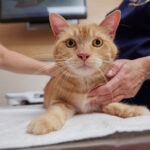
Hot Spots on Cats: Symptoms, Causes, and Treatment

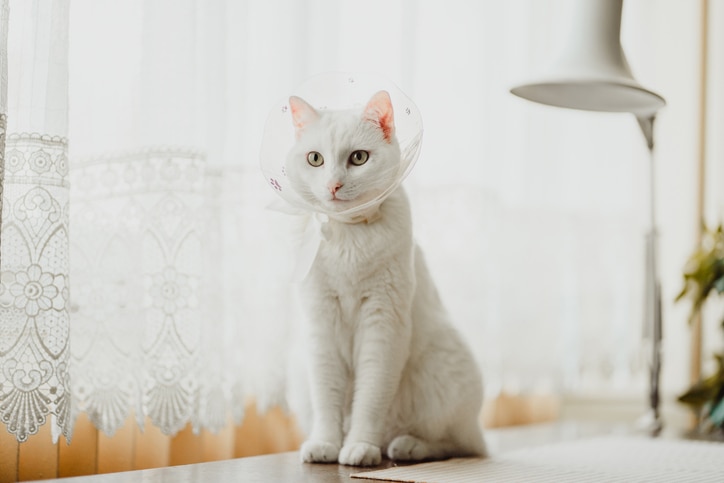
Photo by Georgijevic/E+
While cat hot spots are not a medical emergency, they can be very painful for your cat—and they’ll benefit from quick treatment. Here’s what you need to know.
Key Takeaways
- Hot spots are painful, oozy, red sores on your cat’s skin.
- They develop quickly from excessive licking, scratching, or biting.
- Almost all hot spots need prompt veterinary treatment to relieve pain, control infection, and address underlying causes, like fleas or allergies.
- Very mild hot spots may be managed at home with input from a veterinarian.
- You can help prevent hot spots with year-round parasite protection, regular grooming, and keeping an eye on unusual behavior, like overgrooming.
What Are Hot Spots on Cats?
Hot spots usually occur when a cat has itchy or irritated skin and they start scratching, licking, or chewing at the area.
While this may provide temporary relief, the discomfort rapidly returns, and so does the scratching, licking, and chewing. Those actions can quickly lead to skin damage and even more itching and irritation.
Bacteria can enter through the cuts in your cat’s skin, putting them at risk for a skin infection.
Any cat who is itchy or uncomfortable is susceptible to hot spots, also known as moist dermatitis or pyotraumatic dermatitis. Long-haired felines and cats who go outdoors are at a higher risk.
What Do Hot Spots on Cats Look Like?
Hot spots on cats have a characteristic look:
- A clearly defined patch of skin that is dark pink or red
- The area is usually oozy and wet
- Fur may be missing or sparse over the lesion
A cat may have only one hot spot or several at the same time.
Other skin conditions in cats (eosinophilic granuloma complex, for example) can look a lot like a hot spot, so it’s always best to get your cat evaluated by a veterinarian if you’re not sure what is going on.
Signs of Hot Spots on Cats
In addition to the skin lesion itself, cats with hot spots:
- Scratch, bite, lick, and chew at the area
- Are in significant discomfort or pain
Often, a hot spot will occur near the part of a cat’s body where the initial problem is located. For example, fleas tend to congregate at the base of a cat’s tail or around the neck, so flea bites are a likely cause of hot spots in these areas.
Causes Hot Spots on Cats
Anything that irritates the skin or makes a cat itchy can trigger hot spots.
Common culprits include:
- Fleas, ticks, mange mites, and other external parasites
- Mosquito or other bug bites
- Allergies
- Small wounds
- Ear infections and ear mites
- Matted fur
- Chronically dirty or damp skin
- Contact with skin irritants
- Foreign material within or under the skin
Some cats will also lick or chew at their skin because they are bored, stressed, or in pain.
How Veterinarians Treat Hot Spots on Cats
The goal of cat hot spot treatment is to eliminate the itching and inflammation associated with the wound so the cat will stop licking, scratching, and chewing at their skin.
It’s best to let a veterinarian evaluate and start treating moderate or severe hot spots as soon as possible so that your cat will stop licking, scratching, and chewing.
If your vet suspects a hot spot, they’ll thoroughly clean it and apply topical medications—this might require sedation. They’ll also search for an underlying cause.
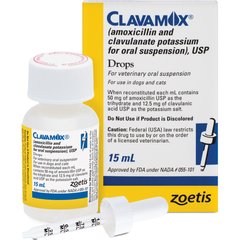
Based on what they find, the vet may prescribe:
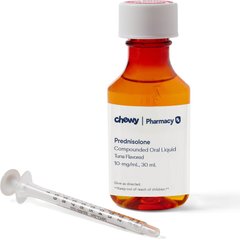
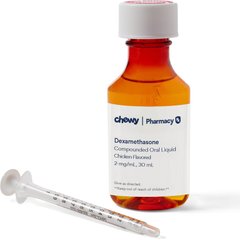
- An oral steroid like prednisolone or dexamethasone to reduce inflammation
Recommended Products
Recommended Product
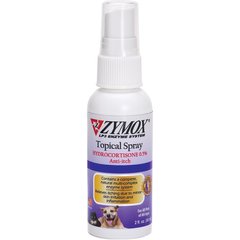
- A topical, such as Zymox Enzymatic Topical Spray with Hydrocortisone 0.5%, to reduce inflammation, itching, and infection
Recommended Product
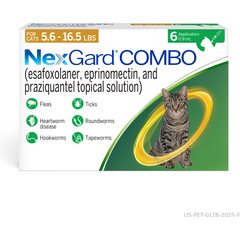
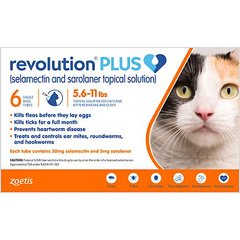
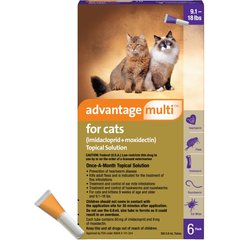
- A parasite preventive if fleas, mange mites, or ticks are involved
Recommended Products
Home Remedies for Cat Hot Spots
Almost all cats will need to see a veterinarian for hot spots—not only to treat the hot spot, but also to get at the root cause.
However, if your vet suggests you treat a mild hot spot at home, they might recommend the following steps:
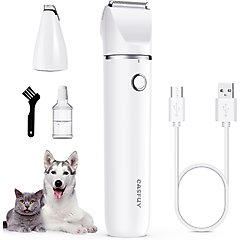
- Use electric clippers, like the Casfuy Small Low Noise 2 in 1 Trimming Paw Face Narrow Dog hair Clippers, to trim the hair away from the hot spot until healthy skin is visible all around the wound.
Recommended Product
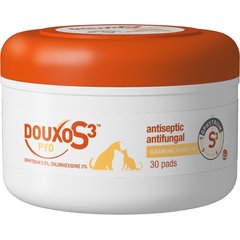
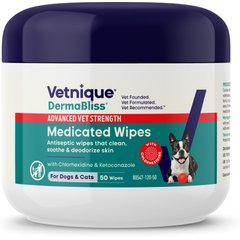
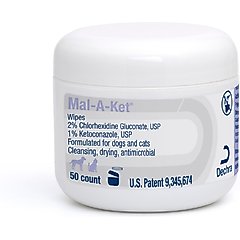
- Gently clean the hot spot with a cat-safe antiseptic. You can try Douxo S3 PYO Antiseptic Antifungal Chlorhexidine Wipes, Vetnique DermaBliss Advanced Vet Strength Medicated Chlorhexidine Wipes, or Mal-A-Ket Wipes.
Recommended Products
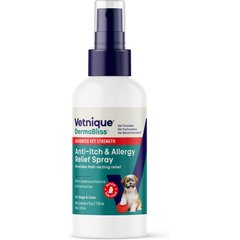
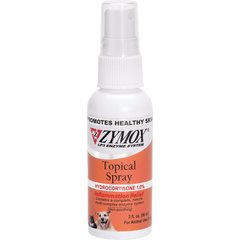
- Apply an over-the-counter hot spot remedy that contains hydrocortisone and is labeled for cats, like Vetnique DermaBliss Advanced Vet Strength Anti-Itch Spray or Zymox Topical Spray with Hydrocortisone 1.0%.
Recommended Products
However, you should run any at-home treatment plan by your veterinarian first.
How Can I Help My Cat Feel More Comfortable?
Once your cat has been diagnosed and is receiving treatment, it’s important to keep them healthy.
Make sure your cat is comfortable during treatment and that they continue to eat and drink.
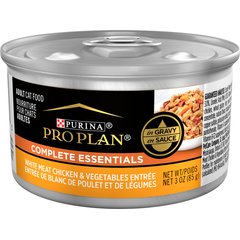
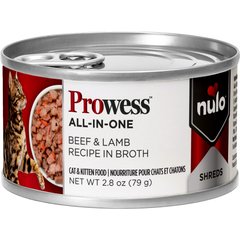
A high-quality wet food like Purina Pro Plan Adult White Meat Chicken & Vegetable Entree in Gravy Canned Cat Food or Nulo Prowess All-in-One Essentials Beef & Lamb Shreds in Broth Adult & Kitten Wet Cat Food is a great way to support your cat’s nutritional and hydration needs.
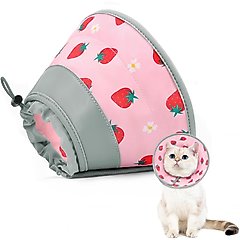
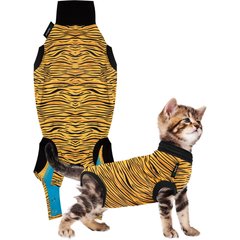
If necessary, use a recovery collar like the Supet Adjustable Cat Recovery Cone or the Comfurt Collar Dog and Cat Recovery Collar to prevent licking and chewing and give your cat’s skin a chance to heal. You can also try a recovery suit, like Suitical Recovery Suit Cat Apparel.
Recommended Products

Always follow your veterinarian’s treatment recommendations and talk to them if you have any questions.
How Do I Prevent Hot Spots on My Cat?
Hot spots are very uncomfortable for cats, so it’s best to prevent them rather than have to treat them once they develop.
Here’s how to give your cat the best chance at avoiding hot spots.
Parasite Prevention
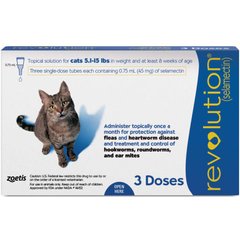
Protect your cats from fleas and other parasites all year round with medication, like Revolution Topical Solution for Cats.
Recommended Product
Grooming
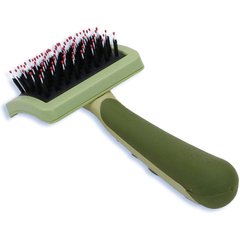
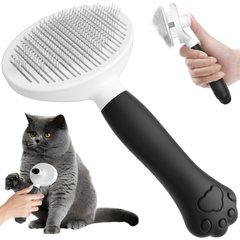
Keep cats (especially long-haired cats) well-groomed to prevent matting, which can lead to hot spots. Try the Safari Complete Cat Brush or the Yafylly Short & Long Haired Detangling Cat Brush.
Recommended Products
Medicated Baths for At-Risk Cats
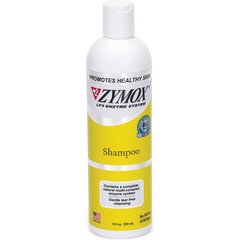
If your cat’s at higher risk for hot spots—due to allergies or irritated skin, for example—bathe them with a medicated shampoo like Zymox Veterinary Strength Enzymatic Dog & Cat Shampoo.
Recommended Product
Keep a Close Eye on Their Health
Check your cat’s ears and skin at least monthly for infections and other problems.
If you notice that your cat is starting to scratch, lick, chew, or bite at themselves more than normal, make an appointment with your veterinarian. If you can get on top of the problem quickly enough, you may be able to ward off a hot spot before it develops.
FAQs About Hot Spots on Cats
Will hot spots go away on their own?
No. An untreated hot spot on a cat will worsen quickly. The sooner treatment starts, the faster a cat’s skin can start to heal.
When should I see a vet for cat hot spots?
Almost all cats need veterinary care for hot spots, especially if the hot spots are large and painful. Always call your vet for advice, even if the hot spot is mild.
What is the best home remedy for hot spots?
Ask your cat’s veterinarian first if home treatment is an option. Only small, non-painful hot spots should be treated at home with your vet’s approval. If your vet OKs home treatment, you’ll likely use electric clippers to remove hair on and around the hot spot, then clean it with a cat-safe antiseptic and treat it with an over-the-counter cat-safe hot spot remedy that contains hydrocortisone.
What causes hot spots on cats?
Cats develop hot spots when something itchy, irritating, or painful makes them scratch, lick, or chew at a patch of skin. This may provide temporary relief, but it eventually leads to skin damage and a worsening of symptoms.
Attributions