5 Ways To Help Your Community’s Outdoor Cats This Winter


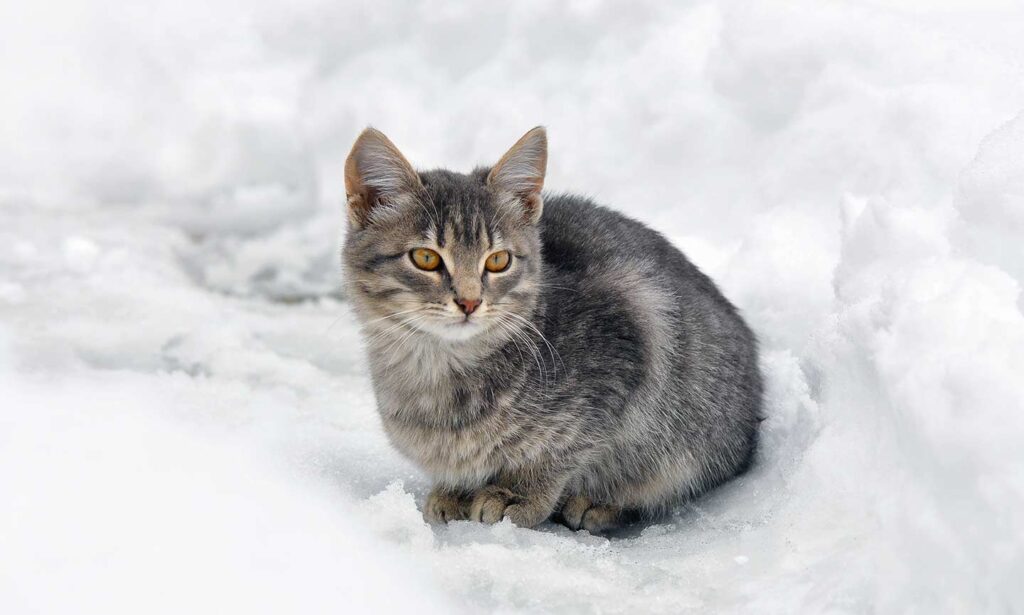
Photo by iStock.com/MilaDrumeva
When the weather outside is frightful, we humans escape the cold winter by spending more time indoors. But what about community cats, aka colonies of feral cats who live outdoors?
Despite their fur coats, cats are vulnerable to winter weather, and those who live outside face risks like hypothermia and frostbite when temperatures dip to dangerous levels.
We talked to shelter and rescue experts to bring you tips to keep these vulnerable felines safe and healthy when it’s cold outside.
Key Takeaways
- Winter can be a difficult time for community cats who live outside.
- Providing warm shelter, food, and water are good ways to help outdoor cats during cold weather.
- Do not bring feral cats to a shelter, as many are deemed unadoptable and at risk of being euthanized.
1. Provide Outdoor Cat Houses
Cold-weather cat shelters can provide life-saving protection for community cats.
In general, a cat shelter needs two things, says Richard Angelo, Jr., a Best Friends Animal Society legislative attorney who focuses on community cat initiatives:
- A covered interior that’s warm and dry, to protect them from cold air, ice, and snow.
- Bedding that will help keep them comfortable.
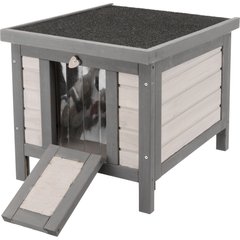
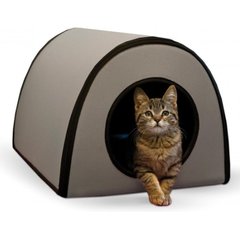
If your budget allows, you can invest in a weather-resistant cat house and place it in an area where community cats already live. Look for an option that’s insulated, like the Trixie Natura Insulated Cat House. Other good options include a heating pad, like the K&H Thermo Mod Heated Cat House.
Recommended Products
It’s also possible to create your own warm shelter with relatively inexpensive materials. Consider these tips from The Humane World for Animals when designing and maintaining outdoor cat houses:
- Keep it small. Bigger isn’t better when it comes to cat houses, because the structure must trap the cat’s body heat to keep the space warm. For a cozy abode, consider structures about 2 feet by 3 feet. Styrofoam shipping boxes and durable plastic storage bins are popular, cost-effective options if carpentry isn’t in your skill set.
- Keep it cozy. Cats don’t require hardwood floors and designer appliances. But they do need warm, dry bedding for burrowing, such as straw or pillowcases stuffed with shredded newspaper or packing peanuts. Avoid hay (a common allergen among cats), as well as blankets and towels, which absorb body heat and retain moisture, leading to cold cats.
- Keep it clean. Outdoor cat shelters require maintenance to keep them hygienic and dry. Regularly replace the bedding if it gets wet or dirty. If you live in an especially cold climate and are unable to check in on the house frequently, skip the bedding and instead line the walls and floor of the shelter with Mylar, which reflects body heat and won’t hold water. You can usually find sheets of Mylar at your local home improvement store.
If you’re interested in making your own DIY shelter, Best Friends Animal Society has an easy, step-by-step tutorial using common household items.
2. Offer Extra Food
Outdoor cats’ nutrition needs change with the weather, Angelo says. Staying warm in cold weather requires more calories than usual, so it’s important that they eat extra food.
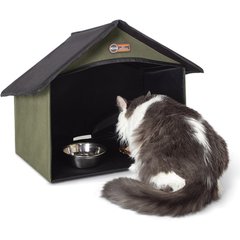
Setting up a safe and warm space for these cats to eat can help them learn to come back for nourishment. Consider an outdoor dining room that shields bowls from the elements and keeps food and water fresh.
Recommended Product
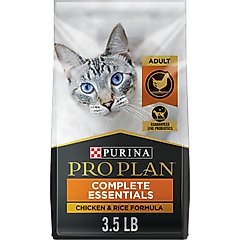
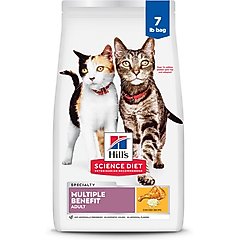
Offering a high-protein meal can help community cats have as much energy from their meal as possible, especially when their next meal might not be guaranteed.
Recommended Products

3. Ensure Water Access
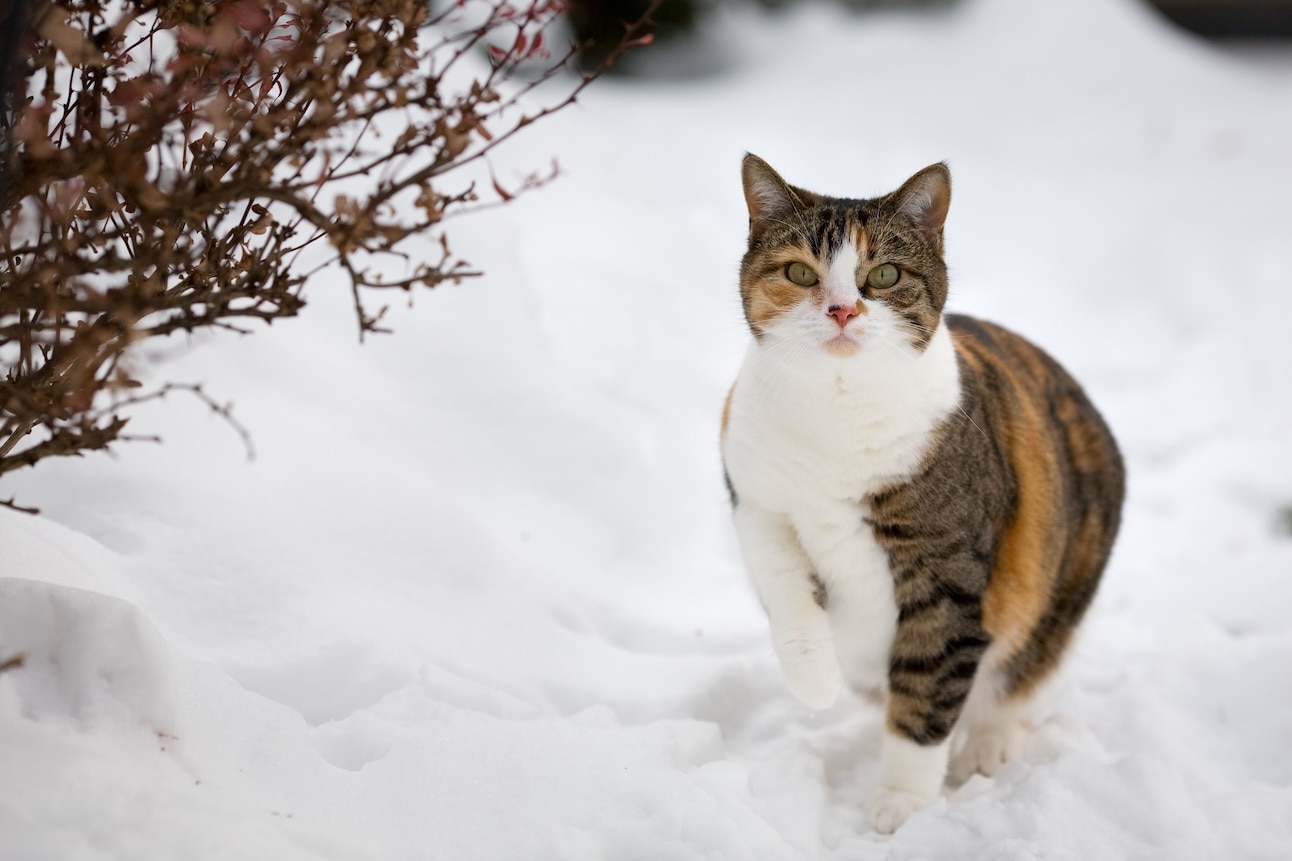
Photo by Skyhobo/E+ via Getty Images
Community cats may have a hard time staying hydrated if their usual water sources are frozen over. Dehydration in cats can lead to serious medical issues, so take steps to ensure water is always available.
Keep these tips in mind:
- Refill cats’ water bowls often with fresh water.
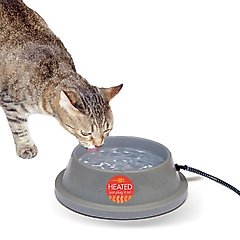
- If your cats’ colony is near a power source, a heated bowl can prevent their water from freezing. Otherwise, choose a container made of thick plastic, which will keep water in its liquid form for longer than metal or ceramic.
Recommended Product
- Consider creating an elevated feeding station to keep cat food and water off the cold ground.
Recommended Product

- Never place water bowls inside cat shelters, where they can easily spill and create a frigid environment.
4. Volunteer With a Shelter or Rescue
If you’re interested in helping your neighborhood cats, you don’t have to do it alone. Many shelters and rescue groups have community cat programs that accept volunteers. Getting involved in these programs might involve:
- Bringing food to local cat colonies
- Setting up shelters to keep cats warm
- Assisting in trap-neuter-return (TNR), in which outdoor cats are humanely trapped, medically evaluated, spayed or neutered, vaccinated, and ear-tipped under anesthesia for identification before being returned to their outdoor homes.
“Community cat programs are the most effective way to save lives, reduce the burden on shelters, and improve save rates by as much as 80%,” says Angelo.
If your local shelter doesn’t have a community cat program, Best Friends Animal Society also offers a grassroots network to connect and organize advocates. They just might be able to connect you with others in your area interested in making sure feral cats don’t suffer during the winter months.
5. Don’t Bring Cats to a Shelter
Many well-meaning animal-lovers assume that the best way to help cats survive the winter is to bring them to animal shelters. Unfortunately, that’s rarely a good idea, says Angelo.
Feral cats are closer to wild animals than adoptable pets. Because they’re not socialized with people, they’re rarely able to be adopted, which means they’re more likely to be euthanized. Plus, they usually prefer to live freely in the outdoors than within the confines of a shelter.
Winter is the toughest time of year for community cats in most places, but there’s a lot you can do to support your local feline colony year-round.
Attributions