Cat Constipation: Signs, Causes, and Treatment

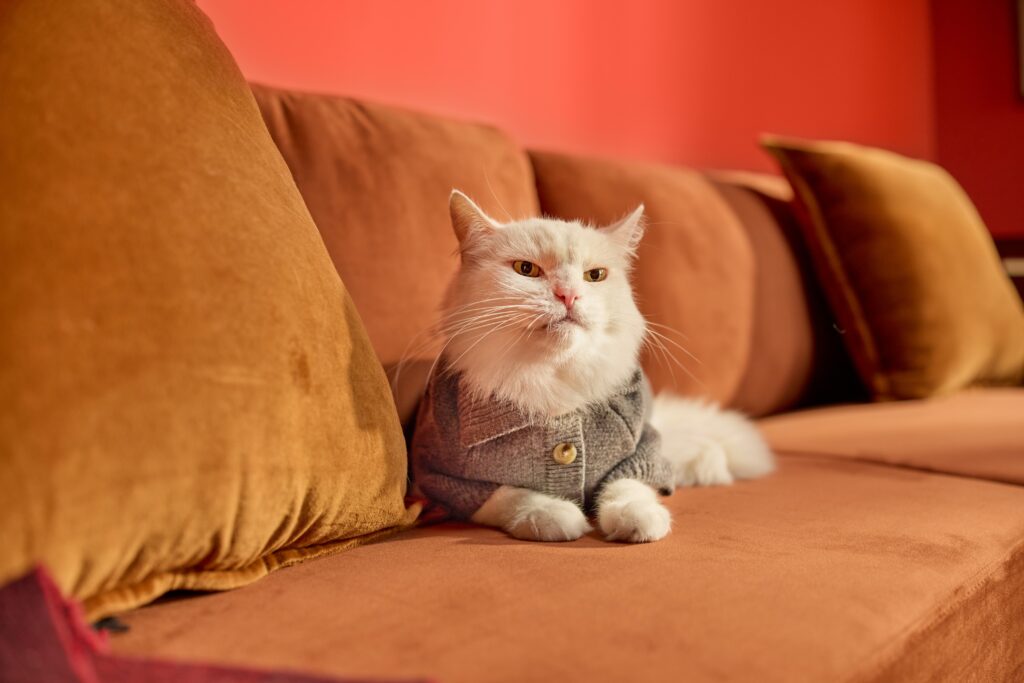
Photo by Chewy
If you’re cleaning the litterbox and notice that your cat hasn’t pooped in a day or two, there’s a good chance they’re constipated.
This means that they’re having trouble passing stool and it’s accumulating in their intestines. Constipation in cats is an uncomfortable condition that almost always requires treatment from your veterinarian.
It can become an emergency if it’s left untreated and your cat’s condition worsens. If your cat has constipation along with extreme lethargy, dehydration, and frequent vocalizing, head to the emergency vet.
Key Takeaways
- Cat constipation is common, especially in senior and overweight cats.
- Signs include straining, hard or small stools, vomiting, and behavior changes.
- Many issues can cause constipation in cats, from dehydration and poor diet to hairballs, stress, or underlying medical conditions.
- If your cat is constipated, you should see a veterinarian as soon as possible for treatment, which may include fluids, fiber, medications, or even surgery.
What Is Cat Constipation?
Constipation in cats refers to difficulty passing stool.
It’s common in felines, especially in those who have arthritis, which makes posturing to poop difficult. Senior cats, overweight cats, and cats with inactive lifestyles also experience constipation more frequently.
Some breeds, including Manx and Siamese cats, also have an increased risk for constipation, likely due to genetics.
Symptoms of Cat Constipation
Here’s how to tell if your cat may be constipated:
- Straining to poop
- Hard, thin stool
- Passing only small amounts of stool
- Bright red blood in stool
- Vomiting
- Lethargy
- Decreased appetite
- Abdominal pain
- Vocalizing
- Behavioral changes, such as increased irritability
Causes of Cat Constipation
Many conditions can cause constipation in cats, and they vary in severity.
Possible underlying causes of cat constipation include:
- Poor diet
- Dehydration
- Obesity
- Inactive lifestyle
- Unclean litterbox
- Tumors
- Narrowing of the intestines
- Stress
- Lack of exercise
- Hairballs
- Foreign object ingestion
- Trauma or injury to pelvic area
- Neurological conditions, such as megacolon
- Underlying health conditions, such as arthritis
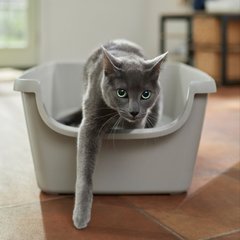
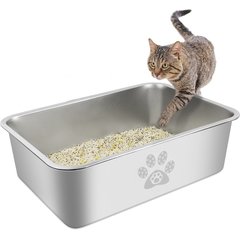
If your litterbox has seen better days, consider buying a new one to make cleaning easier and prevent future problems. Try the Frisco High Sided Cat Litter Box or Ptlom Paw Print High Sided Cat Litter Box.
Recommended Products
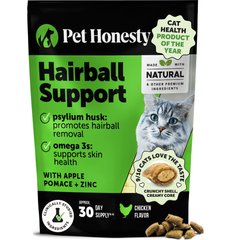
You can also buy products for hairball control supplements to lessen your cat’s risk of hairball ingestion. Try the Pet Honesty Hairball Control Chicken Flavored Chews Digestive Support Supplement for Cats.
Recommended Product
Always check with your vet before offering your cat a new supplement.
How Veterinarians Diagnose Cat Constipation
If you suspect your cat is constipated, schedule an appointment with your veterinarian as soon as possible.
A veterinarian will start with a complete physical exam, paying close attention to your cat’s belly. In many cases, a veterinarian will be able to feel firm, tubular stool in your cat’s belly.
If cat constipation is suspected, additional testing may include:
- Imaging: An abdominal ultrasound or X-rays can show your cat’s belly and the extent of the constipation as well as possible underlying causes, such as cancer or arthritis in the spine. If necessary, a special dye can be given through an enema to better visualize the extent of the constipation.
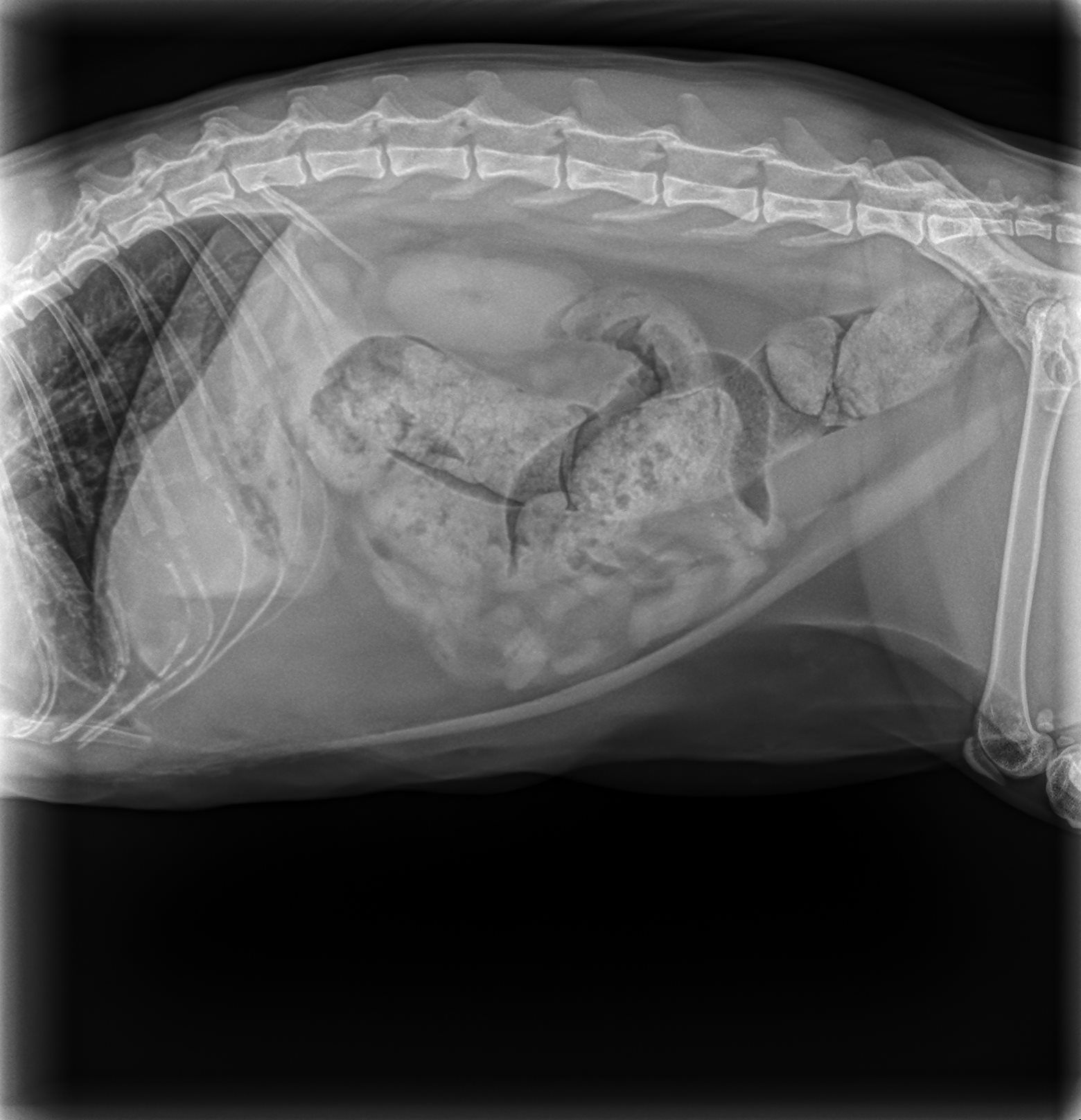
Photo by Chewy
- Bloodwork: While bloodwork doesn’t directly diagnose constipation, it can provide insight into your cat’s overall health and hydration status, and it can suggest underlying diseases that may be contributing to constipation.
Treatment for Cat Constipation
Treatment for cat constipation depends on the severity and the underlying cause. Possible treatments include:
Recommended Product
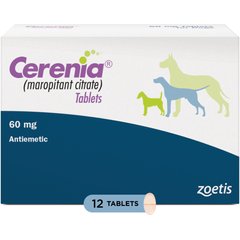
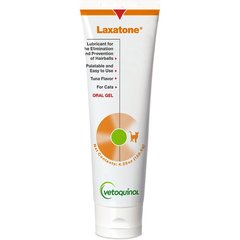
- Laxatives, such as Laxatone
Recommended Product
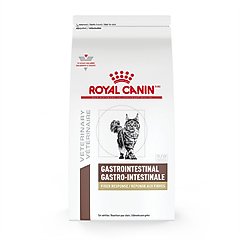
- Prescription diet, such as Royal Canin Gastrointestinal Fiber Response
Recommended Product
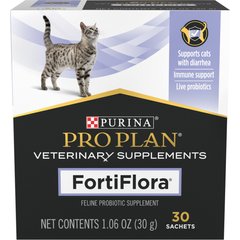
- Probiotics, such as FortiFlora
Recommended Product
- Surgery
Surgery is reserved for severe cases. In others, cats may need to be hospitalized to receive fluids and other supportive care.
Cat Constipation Home Remedies
If you think your cat is constipated, there are a few tips you can try at home.
- Add a small amount of unsalted chicken broth to your cat’s water to entice them to drink more. Water fountains can also encourage more water intake.
- Add a teaspoon of canned pumpkin to your cat’s diet as a good source of fiber. · Sprinkle some probiotics, such as FortiFlora, onto your cat’s food to promote gut health.
- Encourage your cat to get moving. Exercise can promote the gut to move effectively to relieve constipation.
If these don’t work or your cat is experiencing other worrisome symptoms, such as lethargy or vomiting, make an appointment with your veterinarian as soon as possible.
How To Help a Constipated Cat at Home
Once your cat has seen a vet and gotten treatment, you can help them recover quietly at home, which will reduce stress levels.
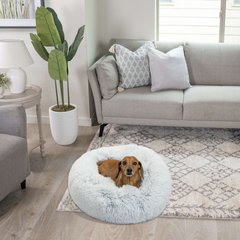
Provide them with a soft, cozy bed like the Best Friends by Sheri The Original Calming Shag Fur Donut Cuddler.
Recommended Product
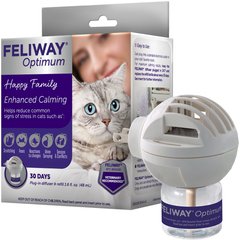
Add a calming diffuser like the Feliway Optimum Enhanced Calming 30 Day Diffuser for Cats for a more relaxing environment.
Recommended Product
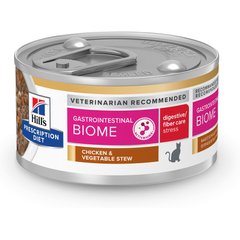
Switching their food to a prescription diet to support gut health, like the Hill’s Prescription Diet Gastrointestinal Biome Digestive/Fiber Care Chicken & Vegetable Stew Wet Cat Food, may be a good idea if your veterinarian recommends it.
Recommended Product
Adding more moisture to your cat’s diet using wet food can also be helpful.
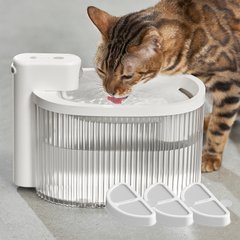
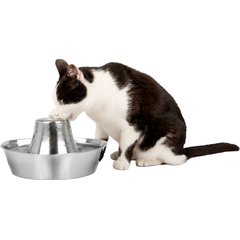
Make sure you provide your cat access to fresh, clean water at all times. A water fountain, like the Pet Marvel Mini Rechargeable Battery Operated Cordless Dog & Cat Water Fountain or the PetSafe Seaside Stainless Steel Cat Water Fountain, can be a great way to ensure they always have water flowing.
Recommended Products
Follow your veterinarian’s instructions closely for any medications that are sent home to promote a quick recovery. And if you notice worsening symptoms, such as lack of appetite or increased vocalizing, call your vet immediately.
Prevention of Cat Constipation
Take the following steps to prevent constipation in your cat:
- Get regular veterinary checkups to identify health concerns early.
- Always have fresh, clean water available.
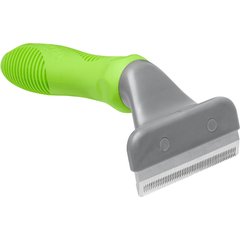
- Frequently groom long-haired cats with a brush, like the Frisco Deshedding Cat & Dog Brush, to remove excess fur that may be ingested and cause hairballs.
- Regularly clean litterboxes.
Recommended Product
- Make sure your cat has a stress-free environment and somewhere quiet to decompress on their own.
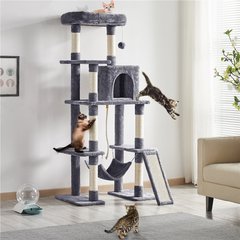
- Encourage exercise through toys like the Yeowww! Catnip Yellow Banana Cat Toy, and cat trees like the Yaheetech Multi-Level 63-in Plush Cat Tree, to keep the intestines moving.
Recommended Products

FAQs About Cat Constipation
Can I give my cat laxatives?
No. You should never give your cat laxatives without a veterinarian’s advice.
Are cat laxatives the same as human laxatives?
No. There are cat-specific laxatives and some over-the-counter options, but you must talk to a veterinarian for advice on the type of laxative, accurate dosing, and frequency.
How can I tell if my cat has a bowel blockage?
Straining to poop or not passing stool can indicate a bowel blockage in your cat. If you notice these signs, call your veterinarian immediately.
How to make a cat poop when constipated?
If your cat is constipated, see a veterinarian as soon as possible. Treatment will depend on the underlying cause.
Will a constipated cat eventually poop?
If a cat is constipated from stress, sometimes they will eventually poop once they’re in a more relaxing environment. However, almost all cats need to see a veterinarian for help to relieve constipation.
How many days can a cat go without pooping?
Cats usually poop every day, but that can vary based on diet, stress levels, and underlying health issues. If your cat hasn’t pooped in two to three days, see a veterinarian as soon as possible.
What can I give my cat for constipation?
Adding a teaspoon of canned pumpkin or a powdered probiotic to your cat’s food can help relieve constipation in some cases, but if your cat is constipated for more than a day or two, make an appointment with a veterinarian ASAP.
Attributions