Can Guinea Pigs Eat Celery?


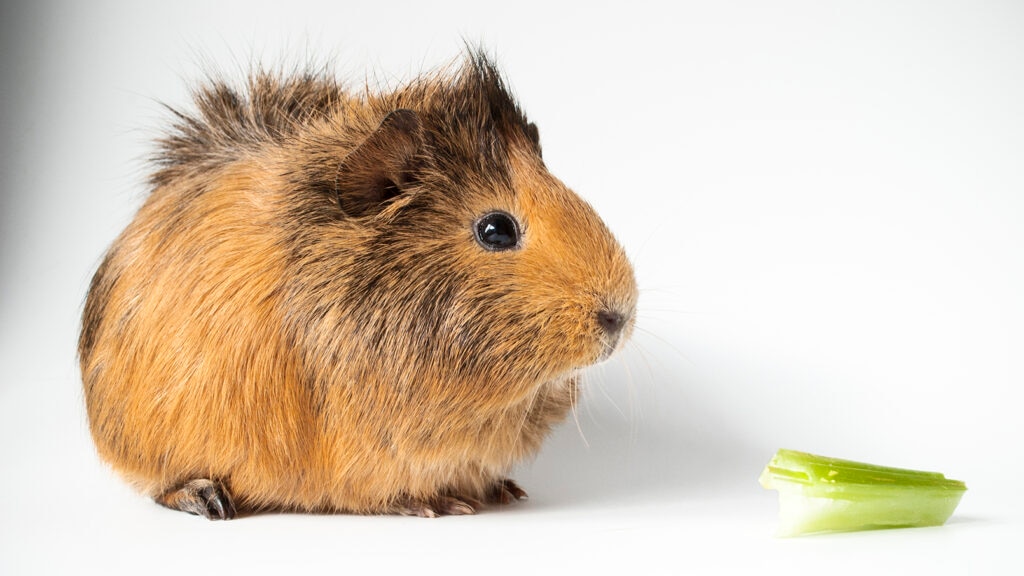
Photo by ChristianBunyipAlexander/iStock/Getty Images Plus
Guinea pigs may be small, but their nutritional needs are surprisingly complex. Most of their diet should be hay, which provides many of the nutrients they need. But can guinea pigs eat celery too? Yes, they can—but with some caveats.
Guinea pigs have sensitive digestive systems, so it’s best to introduce new foods—especially fresh vegetables—slowly, paying close attention to portion sizes.
Here’s what to know about the benefits and risks of celery and how it can fit into a healthy diet.
Before introducing any new food into your guinea pig’s diet, always check with your veterinarian.
Key Takeaways
- Guinea pigs can safely eat celery—including the stalks, tops, and leaves—as long as it’s washed, cut into small pieces, and the fibrous strings are removed.
- Celery has some health benefits, like offering vitamin C and some water, but it should only be fed in small amounts, about one to two bite-size pieces, once or twice a week.
- Too much celery can upset a guinea pig’s diet and cause stomach issues, so hay and pellets should be their primary sources of nutrition.
Can Guinea Pigs Have Celery?
Yes, guinea pigs can have celery. All parts of the vegetable are safe to eat, including the stalks, tops, and leaves, as long as they’re washed thoroughly and cut into small, bite-size pieces to reduce the risk of choking.
If your guinea pig has digestive issues, dental problems, or other health concerns, check with your veterinarian before giving them celery.
Is Celery Good for Guinea Pigs?
While celery isn’t a staple food for guinea pigs, it does offer some benefits. In addition to being low in calories, celery:
- Provides some vitamin C: Vitamin C is essential for preventing scurvy, a common health issue in guinea pigs. And because guinea pigs can’t produce vitamin C on their own, they need to get it from their diet.
- Supports hydration: Because it’s about 95% water, celery can help keep your guinea pig hydrated.
- Promotes dental health: The fiber and crunchy texture of celery help naturally wear down guinea pigs’ constantly growing teeth. If there’s not enough fiber in a guinea pig’s diet, the teeth don’t wear out properly, and it can be difficult for them to eat.
- Adds extra nutrients: Celery also contains vitamin K and potassium, which support overall health.
Is Celery Bad for Guinea Pigs?
Celery can be a healthy treat for guinea pigs in small amounts, but there are a few risks to keep in mind. Feeding them too much celery or preparing it incorrectly can cause problems for your guinea pig.
Here’s what to watch out for:
- Too much celery can throw off their diet. Vegetables should only make up about 5% of a guinea pig’s daily food intake. Overfeeding celery may crowd out more essential staples, like hay and pellets.
- It can upset their stomach. The high water and fiber content may lead to diarrhea if eaten in excess. Abrupt changes in the diet can also lead to overgrowth of bad bacteria, which can be dangerous for guinea pigs.
- The strings pose a choking hazard. Celery stalks have tough, fibrous strings that can get stuck in your guinea pig’s teeth or throat. Always remove them before serving.
How Much Celery Can I Give My Guinea Pig?
Vegetables are considered treats to guinea pigs and should be fed in moderation, making up no more than 5% of your guinea pig’s daily diet. The rest should come from a well-balanced diet of high-quality grass hay and pellets.
For celery specifically, an adult guinea pig of healthy weight can have one to two small, bite-size pieces once or twice a week. It’s best not to give them celery daily; variety is key for balanced nutrition, and too much produce can cause digestive upset.
How To Safely Feed Celery to Guinea Pigs
In addition to portion size, make sure you’re preparing celery properly before giving it to your guinea pig. Here are some tips for safely serving the veggie:
- Choose fresh celery. Make sure all parts of the celery are fresh and crisp. Never give spoiled or moldy food to your guinea pig.
- Wash celery thoroughly. Rinse the celery with cool water, wiping away all dirt and residue.
- Pull out fibrous strings. Celery strings can be difficult for guinea pigs to digest, so it’s best to remove them first.
- Cut into small pieces. The pieces you feed your guinea pig should be no more than the size of a thumbnail. Smaller is even better.
My Guinea Pig Ate Too Much Celery—What Do I Do?
Celery is fine in moderation, but too much at once can cause digestive upset. If your guinea pig overdoes it, you may notice:
- Diarrhea
- Vomiting
- Refusing to eat other food
- Lethargy
If you see any of these signs, contact your vet for guidance on what to do next. If diarrhea or vomiting are severe, or if symptoms don’t go away after 24 hours, they might recommend bringing in your guinea pig for supportive care.
What Other Vegetables Can Guinea Pigs Eat?
In general, the best vegetables for guinea pigs are low in sugar and rich in vitamins and minerals. Providing your guinea pig with a variety of options—within the recommended portion sizes—ensures they receive a wide range of nutrients.
Some other safe vegetables for guinea pigs include:
- Bell peppers
- Carrots
- Cucumbers
- Dandelion greens
- Romaine lettuce
- Tomatoes (in small amounts)
- Zucchini
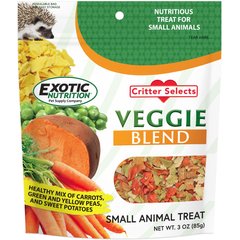
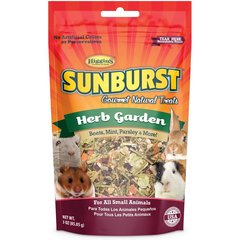
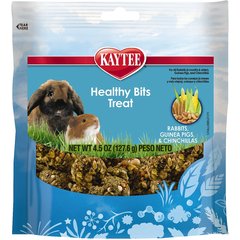
You can also offer guinea pig treats made with vegetables, like:
Recommended Products

FAQs About Celery for Guinea Pigs
Can guinea pigs eat celery leaves?
Yes. The leaves are not only safe, they’re also softer and often easier for your guinea pig to chew. Make sure they’re fresh and thoroughly washed before serving.
Can guinea pigs eat celery tops?
Yes, guinea pigs can eat celery tops as long as they’re fresh and not moldy. Cut them into small pieces before giving them to your guinea pig.
Can guinea pigs eat celery stalks?
Yes, guinea pigs can eat celery stalks, but cut them into small, bite-size pieces and remove the strings to reduce the risk of choking or digestive issues.
Attributions