Guinea Pig Care Sheet


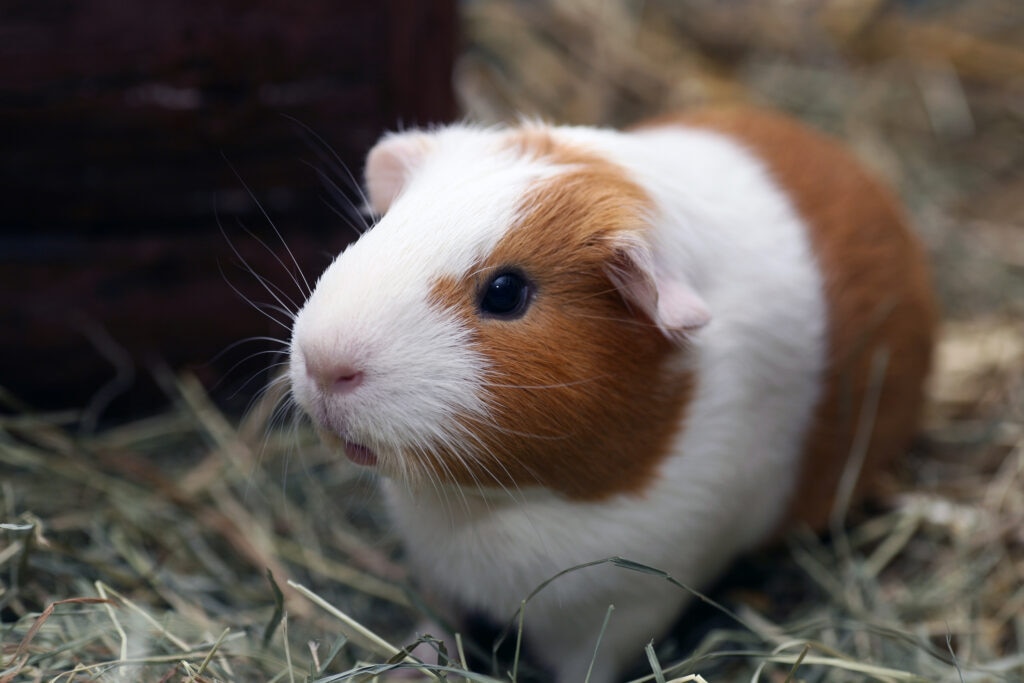
Photo by kickers/iStock/Getty Images Plus
Guinea pigs are fun, family-friendly pets. These social, cuddly rodents love attention and bond with their humans. If you’re thinking about bringing home a guinea pig or have recently gotten one, here’s how to care for them to ensure they live a long, healthy life.
Guinea Pig Overview
- Guinea pigs need a lot of space inside and outside of their cage to run and play.
- These pets prefer to live with others, so cages should be big enough for multiple piggies.
- The average lifespan of a guinea pig is around 5–7 years, with proper care.
Fun Facts About Guinea Pigs
- Guinea pigs make a “wheeking” sound when communicating. You might also hear them purr and coo.
- Guinea pig teeth never stop growing. Chewing on hay helps lower dental disease risk.
- These pets should explore outside of their cage at least once a day.
- Don’t be surprised to see your guinea pig get the zoomies, similar to dogs and cats.
Guinea Pig Cages
Your new pet should have a large enclosure to run around, eat, and play in. Start with a cage that’s 36 inches long 30 inches wide and 18 inches deep for a single guinea pig, although the bigger the cage, the better.
Recommended Products
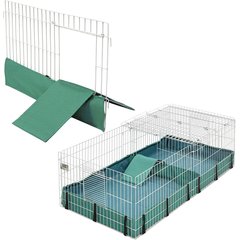

Guinea pigs are very social and like being in groups of two or more. It’s OK to keep groups of the same sex in the same cage, or mixed sexes if males are neutered or females are spayed. For each additional guinea pig, size up their enclosure by at least 20%.
Keep guinea pig cages away from other pets in the house, as well as out of direct sunlight and drafty spots. Ideal temperatures are 65–75 F and should never exceed 80 F.
Cages should have a solid base and wire mesh bars spaced no more than a half-inch apart.
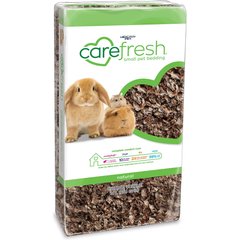
Cages should be cleaned often, so look for those with a plastic bottom and a removable wire top. Line the bottom with a paper-based bedding and top it with aspen shavings, Carefresh, or Timothy hay. You can also use a machine-washable cage liner.
Recommended Products

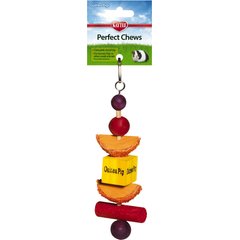
Add plenty of toys, hideaways, a litter box, bedding, and chews. Include food and water bowls, either attached to the side of the cage or inside the cage.
Recommended Products

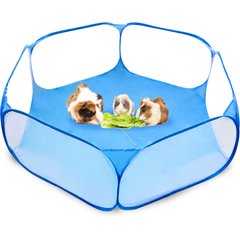
Since guinea pigs need lots of space to run and play, consider having a safe, enclosed area, such as a closed-off part of a room or a playpen that attaches to their cage or stands alone, like this one from SunGrow.
Recommended Product
Cage Cleaning and Maintenance
Clean the cage daily, as their bedding is their burrowing space, sleep area, and litter box.
Guinea pigs produce lots of urine and shouldn’t be left to lie on urine-soaked bedding, which can cause ulcers, skin infections, and respiratory issues.
What Do Guinea Pigs Eat? Guinea Pig Food Requirements
Most of your guinea pig’s diet will be hay, like Timothy hay, orchard grass, or other grass-based hay. Avoid alfalfa hay, as it could lead to health complications. Your pet should have ongoing access to their hay.
Recommended Products

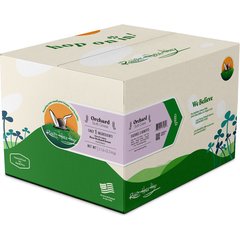
Roughly 75% of your pet’s diet will be hay, but also give them 1–2 tablespoons of fortified pellets per day.
Recommended Products


Guinea pigs also enjoy a wide variety of vegetables. Give them up to 1 cup of dark leafy greens, carrots, cilantro, parsley, and bell peppers daily.
Give fruits as a treat in small amounts—one to two times a week—and offer apples, berries, pineapple, and similar options.
Keep fresh, clean water available at all times in water bottles attached to the cage or ceramic bowls inside the cage.
Recommended Products


H3 Vitamin C for Guinea Pigs
All guinea pigs need a vitamin C supplement added to their daily diet because they cannot produce it themselves.
Piggies need 10–50 milligrams of vitamin C per day, which they can get through fresh vegetables or a supplement like Oxbow Natural Science Vitamin C Small Animal Supplement.
Recommended Product

How To Hold a Guinea Pig
Guinea pigs are cuddly and usually love being held, but don’t assume they are comfortable right away.
Start by building trust with your pet. Regularly talk to them and be visible beside their cage. Allow them to sniff your hand and then pet their head and upper body. Pay attention to their reactions and body language.
When they seem calm and ready, pick them up with one hand under their chest behind their front feet. Use your other hand to support their bottom and back feet, and bring them close to your body. This gives your pet the most support and helps stop them from jumping or wiggling away.
You can also put them in a small blanket to securely hold them. Firmly hold them, but never squeeze.
Guinea Pig Health
Take your guinea pig to the vet at least once a year for an annual checkup. Be on the lookout for problems like:
- Labored breathing
- Loose stool or discolored urine
- Lumps on their body
- Lethargy
- Excessive itching
- Not eating
Guinea pigs could face a few health concerns in their lifetime, including:
- Ear infections
- Ringworm
- Lice or mites
- Heatstroke
- Dental issues
Contact your vet right away if you notice anything out of the ordinary with your pet.
Guinea Pig Supply Checklist
Before bringing guinea pigs home, make sure you have all your supplies ready to go, including:
- Appropriately sized cage
- Play yard or other guinea-proof area for running and playing
- Bedding
- Hideout or house
- Water bottle or bowl
- Food bowl
- Guinea pig food, including hay, pellets, supplements (vitamin C), and treats
- Toys, ramps, and tunnels
FAQs About Guinea Pigs
How long do guinea pigs live?
Guinea pigs live about 5–7 years, with proper care.
How many guinea pig breeds are there?
There are more than a dozen currently recognized guinea pig breeds, including Abyssinian, American, and Coronet.
Are there wild guinea pigs?
There are some wild guinea pigs, mainly in South America, but most guinea pigs are domesticated.
What sounds do guinea pigs make?
You might hear a high-pitched noise from your guinea pig. This is called “wheeking.” Guinea pigs also purr, screech, and squeal.
Are guinea pigs nocturnal?
Guinea pigs aren’t nocturnal. These pets are most active at dawn and dusk, sleeping intermittently throughout the day and night. But they aren’t always awake at night.
How much do guinea pigs cost?
Costs for guinea pigs vary based on where you’re getting them from and the breed. You could pay as little as $50 from a pet store or $1,000 from a breeder for a rare color.
Attributions