Silky Terrier vs. Yorkshire Terrier: What’s the Difference?


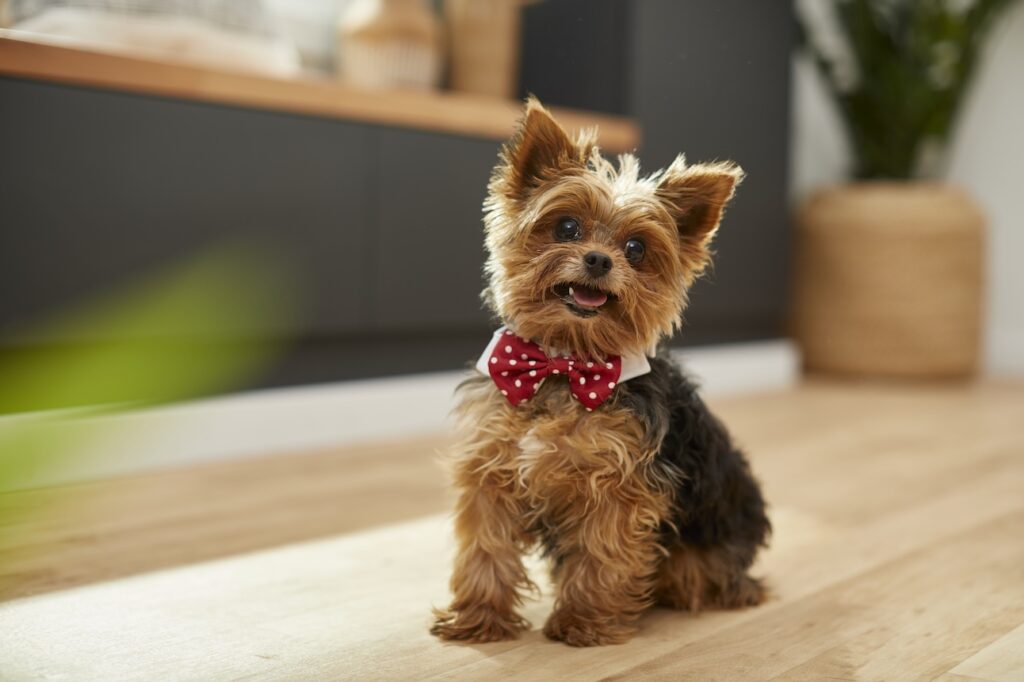
Photo by Chewy
If you’ve ever mistaken a Silky Terrier for a Yorkshire Terrier, you’re not alone. These pint-sized pups share a common ancestry and a silky, flowing coat that often turns heads at the dog park.
But despite their similar looks, there are key differences in their size, temperament, and care needs that might make one a better fit for your lifestyle than the other.
Let’s take a closer look at what sets the Silky Terrier and Yorkshire Terrier apart.
Key Takeaways
- The Silky Terrier and Yorkshire Terrier look almost identical and share a lot of similar personality traits.
- Both breeds are smart, affectionate, and adaptable to apartment living.
- The dogs’ coats and teeth are their biggest grooming needs; both need daily attention.
History
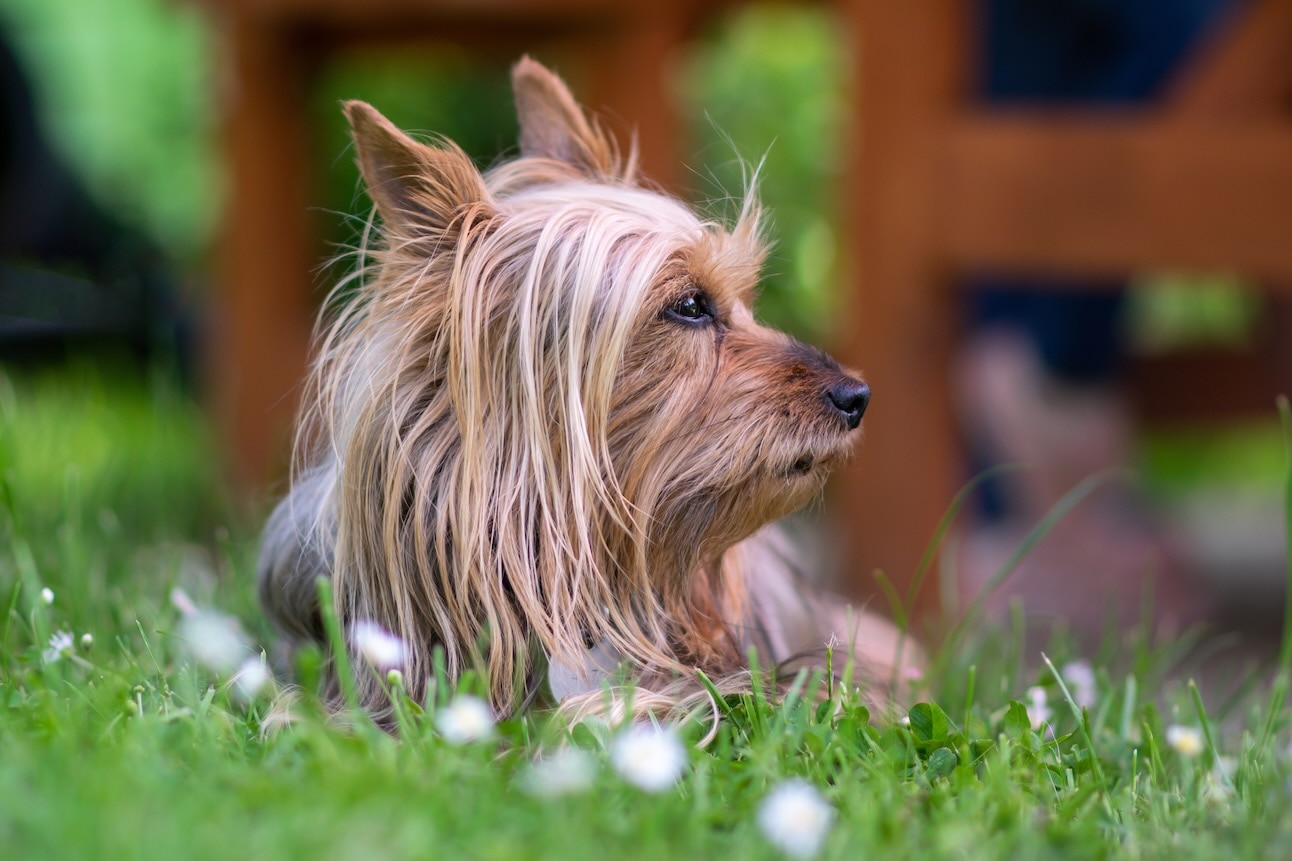
Photo by Jan Zabrodsky/iStock / Getty Images Plus via Getty Images
The Yorkshire Terrier, affectionately known as the Yorkie, originated in 19th-century England.
Bred by Scottish weavers who migrated to Yorkshire, these small terriers were prized for their ability to catch rats in textile mills, according to the Yorkshire Terrier Club of America. Over time, their elegant coats and lively personalities transformed them from working dogs to fashionable companions in the Victorian era.
The Silky Terrier, on the other hand, was developed in Australia, according to the Silky Terrier Club of America.
After Yorkshire Terriers arrived Down Under, they were bred with Australian Terriers to create a breed that combined the Yorkie’s beauty with the Aussie’s fortitude. The result was a confident, curious little dog with a luxurious coat that earned the breed its name.
Appearance
At first glance, the Silky and the Yorkie look almost identical. They both have fine, glossy hair that hangs straight and smooth, as well as bright, dark, round eyes.
But a few subtle differences can help you tell them apart if you look closely.
- Size: Silky Terriers weigh around 10 pounds and stand 9–10 inches tall. Yorkies are just slightly smaller, at around 7 pounds and 7–8 inches tall.
- Head shape: Yorkies have a round head, while a Silky’s is a little more wedge-shaped.
- Ears: Both breeds have perky, triangular ears, but a Silky’s ears are narrower at the base.
- Haircut: Yorkshire Terriers and Silky Terriers both have long hair that grows to the floor. But for show dogs, this hair is styled differently. A Yorkie’s hair is left longer, while a Silky’s haircut is shorter, particularly the head hair.
Personality
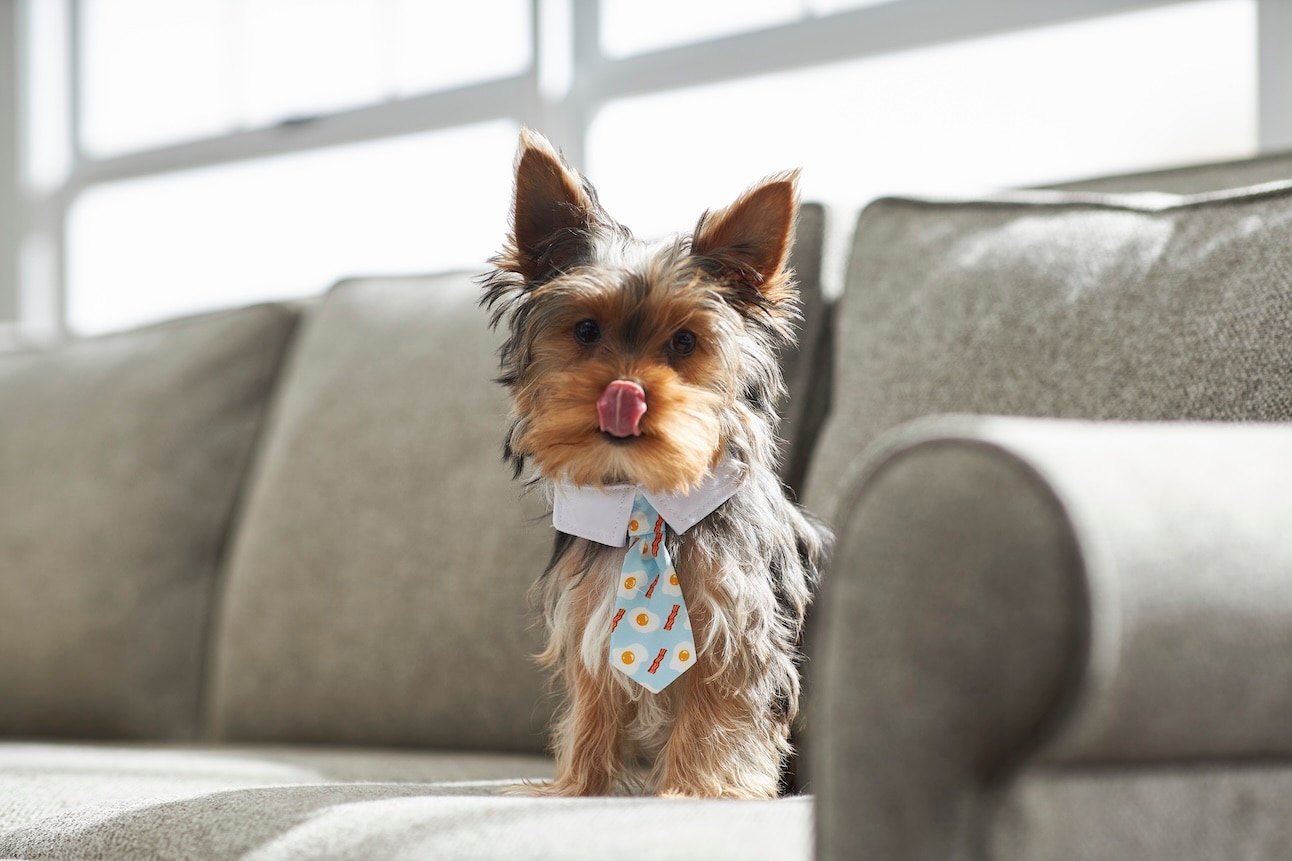
Photo by Chewy
Both the Silky and the Yorkshire Terrier pack a big personality into a small body. They’re affectionate, intelligent, and enjoy being the center of attention.
Yorkies and Silkys are bright, eager-to-please pups who learn quickly and love showing off their tricks. And at the end of the day, once their exercise needs are met, they enjoy snuggling up with their favorite person.
Both breeds do best in families that can provide consistent training and socialization from a young age. This helps them grow into confident, well-mannered dogs no matter the situation.
Exercise Needs
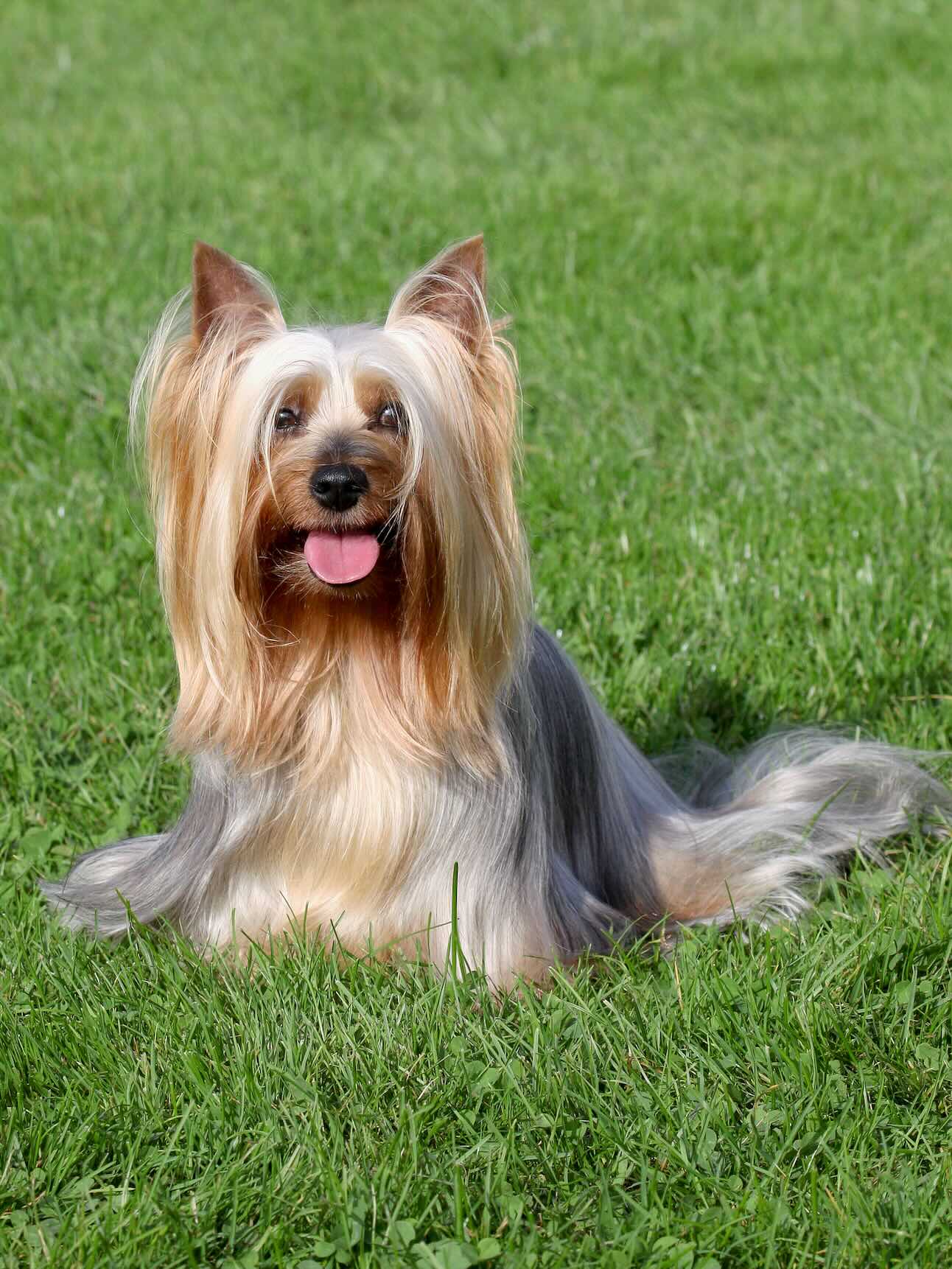
Photo by CaptureLight/iStock / Getty Images Plus via Getty Images
Don’t let their size fool you—these tiny terriers have plenty of energy to burn.
Although they’re members of the toy group, Silky Terriers have true terrier-level energy and need about an hour of exercise each day. They love to go on brisk walks, play games of fetch, and explore hiking trails.
Yorkies are more of a lap dog and do well with 30 minutes of exercise every day. This can take the form of two 15-minute daily walks, plus some indoor playtime with toys.
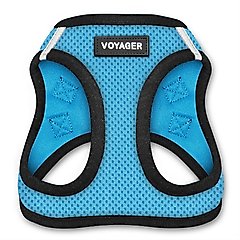
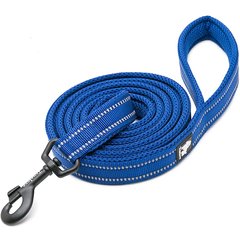
When out and about with your pup, use a harness. Clipping a leash to a Yorkie’s or Silky’s collar can put pressure on their delicate windpipe and lead to coughing or breathing problems.
Recommended Products
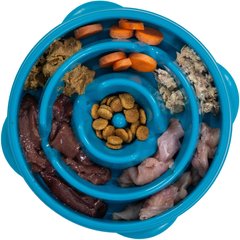
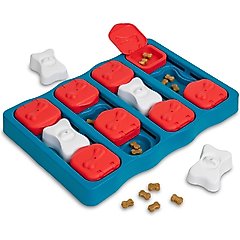
Mental stimulation is just as important for these dogs as physical exercise. Scent walks, slow feeder bowls, and puzzle toys give their brains a satisfying workout.
Recommended Products
Grooming
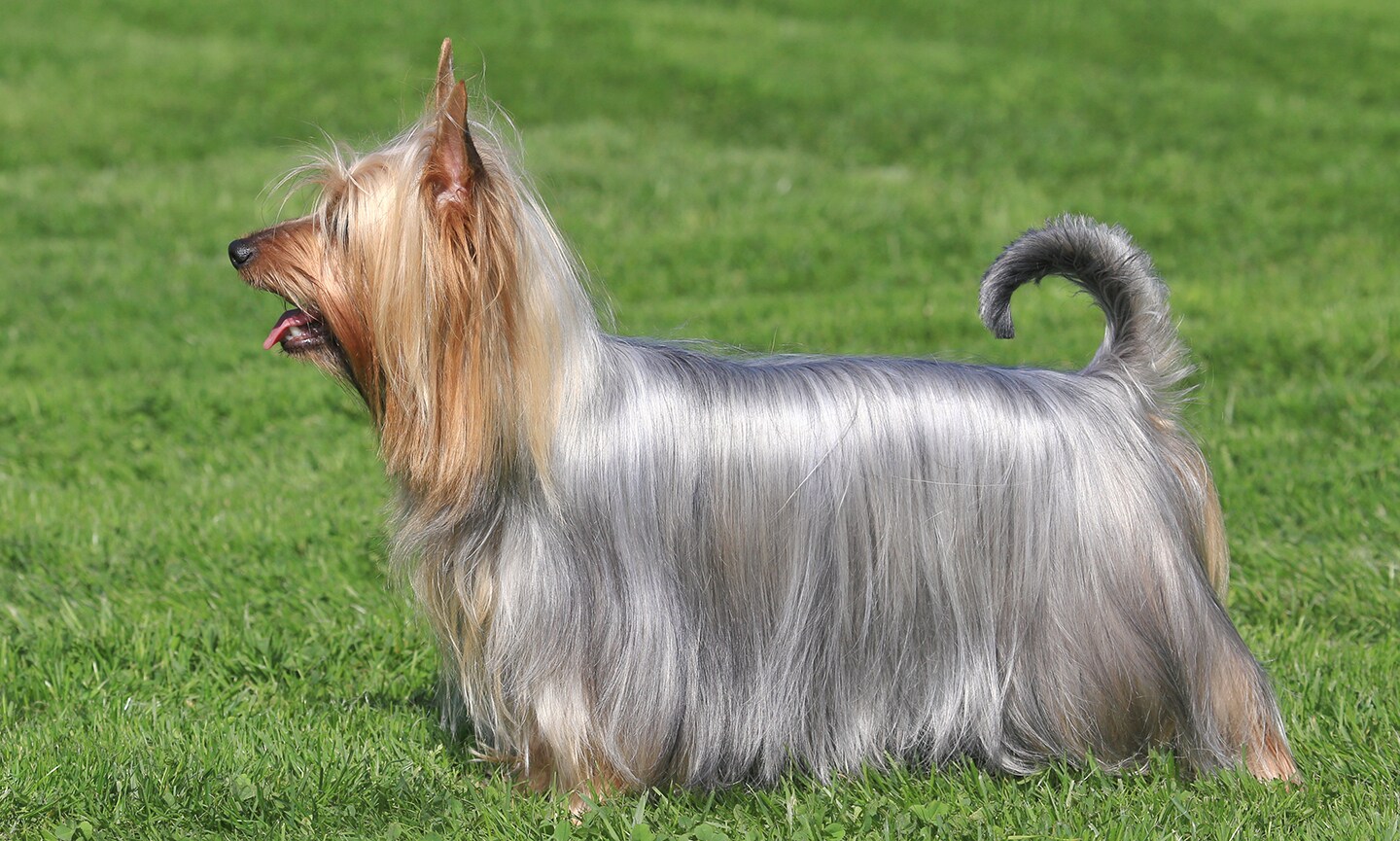
Photo by CaptureLight/iStock / Getty Images Plus via Getty Images
A lot of work goes into keeping a Silky Terrier or Yorkshire Terrier looking their best. Their coat alone demands daily care.
Brushing
Brush your dog’s hair every day to keep them free of tangles and matting. A pin brush and comb are the best tools for the job.
Recommended Products
Clipping
If you want to cut down on brushing, a shorter haircut may help. This makes their hair easier to maintain at home but requires regular trips to the groomer (or learning how to clip your dog’s fur yourself).
Recommended Product

Bathing
Yorkies and Silkys need regular baths—about once a month. Bathe your dog with a gentle dog shampoo. Many pet parents also use conditioner or a detangling spray, too, especially for pups with long hair.
Recommended Products
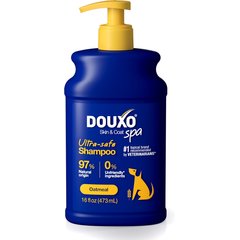
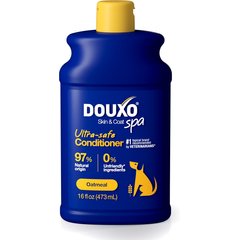
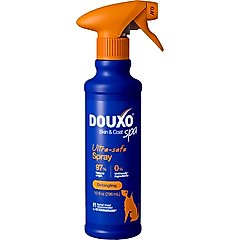
Along with coat care, Yorkies and Silkys also need:
- Daily toothbrushing
- Nail trims every few weeks
- Frequent eye and ear checks for signs of discharge or infection
Health
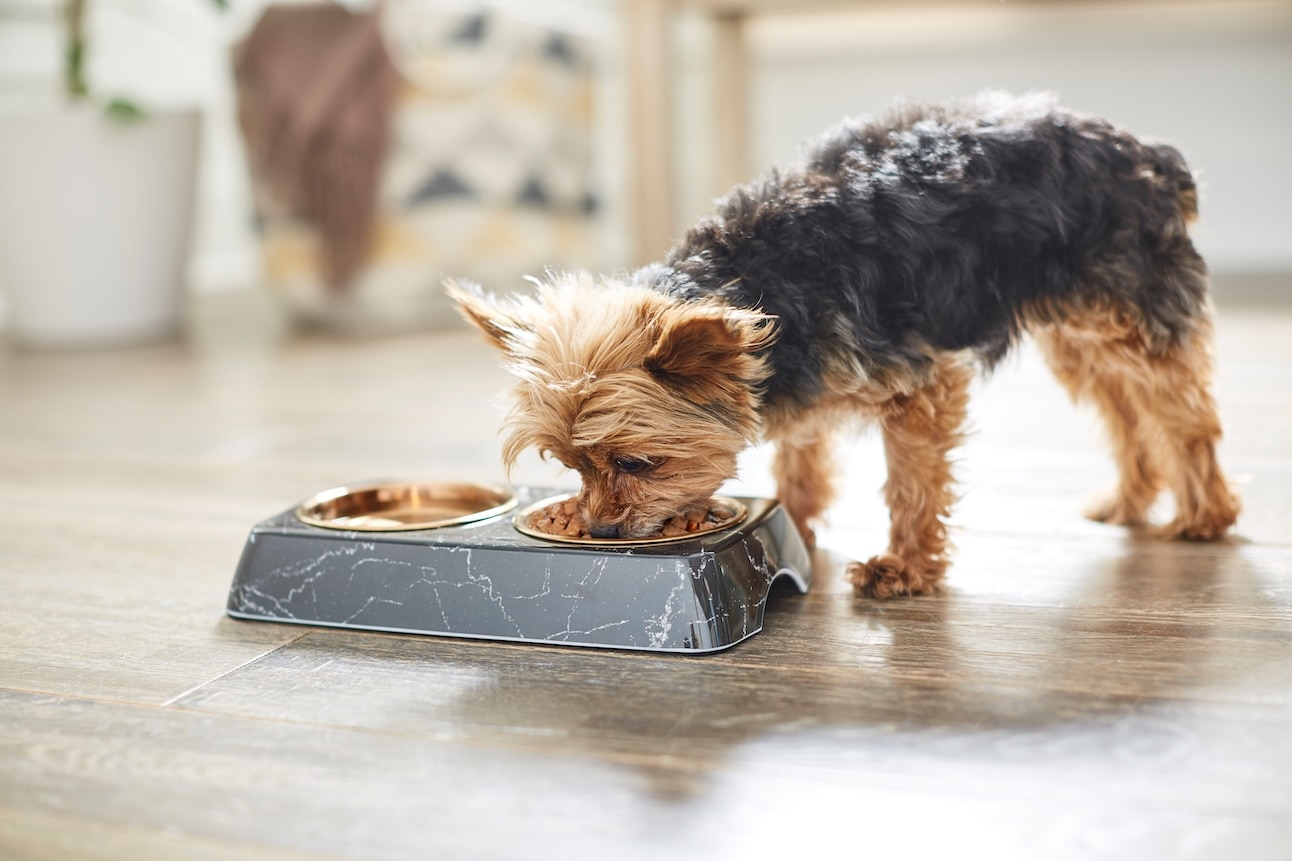
Photo by Chewy
Both breeds are generally healthy with average lifespans reaching up to 15 years. But, like all dog breeds, Yorkshire Terriers and Silky Terriers are prone to certain conditions, including:
- Tracheal collapse: A collapsing trachea is when the windpipe flattens, resulting in a cough that sounds a lot like a goose honk. Keeping your pup at a healthy weight and using a harness instead of fastening their leash to their collar can help manage the condition.
- Legg-Calve-Perthes disease: This condition causes bone death in the top of a dog’s femur (thigh bone). Legg-Calve-Perthes usually develops in a puppy’s first year of life, and surgery can cure the condition.
- Luxating patella: Patellar luxation is when a dog’s kneecap slips out of place. Treatment depends on the severity and often ranges from joint supplements to surgery.
- Hypoglycemia (low blood sugar): Because they’re so small, Silky Terrier and Yorkshire Terrier puppies are both at risk of hypoglycemia, or low blood sugar. To reduce this risk, feed your puppy three to four small meals throughout the day instead of one big breakfast or dinner. Even when fully grown, Silky and Yorkie Terriers are quite small and might benefit from more frequent meals. Your vet can recommend the best feeding schedule.
- Dental disease: Small dogs like Silkys and Yorkies are highly susceptible to dental disease due to teeth overcrowding. The best way to prevent this is to brush your dog’s teeth every day with a dog-safe toothpaste and toothbrush. Other measures, like dental chews and a dental-focused diet, can also help. Your vet will also recommend professional teeth cleanings as needed.
Recommended Products
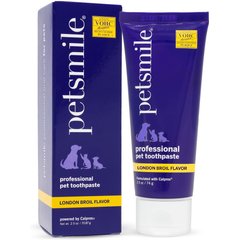
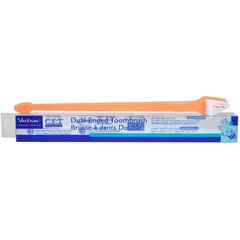
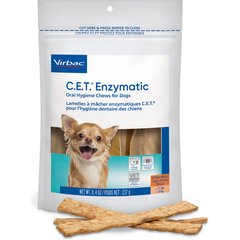
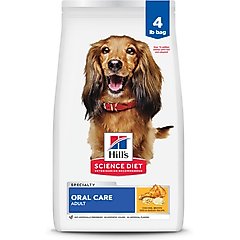
Regular veterinary checkups, a balanced diet, and consistent dental care go a long way in keeping both breeds healthy. Always talk to your vet if you have any concerns about your dog’s health.
Silky Terrier vs. Yorkshire Terrier: Which Is the Breed for You?
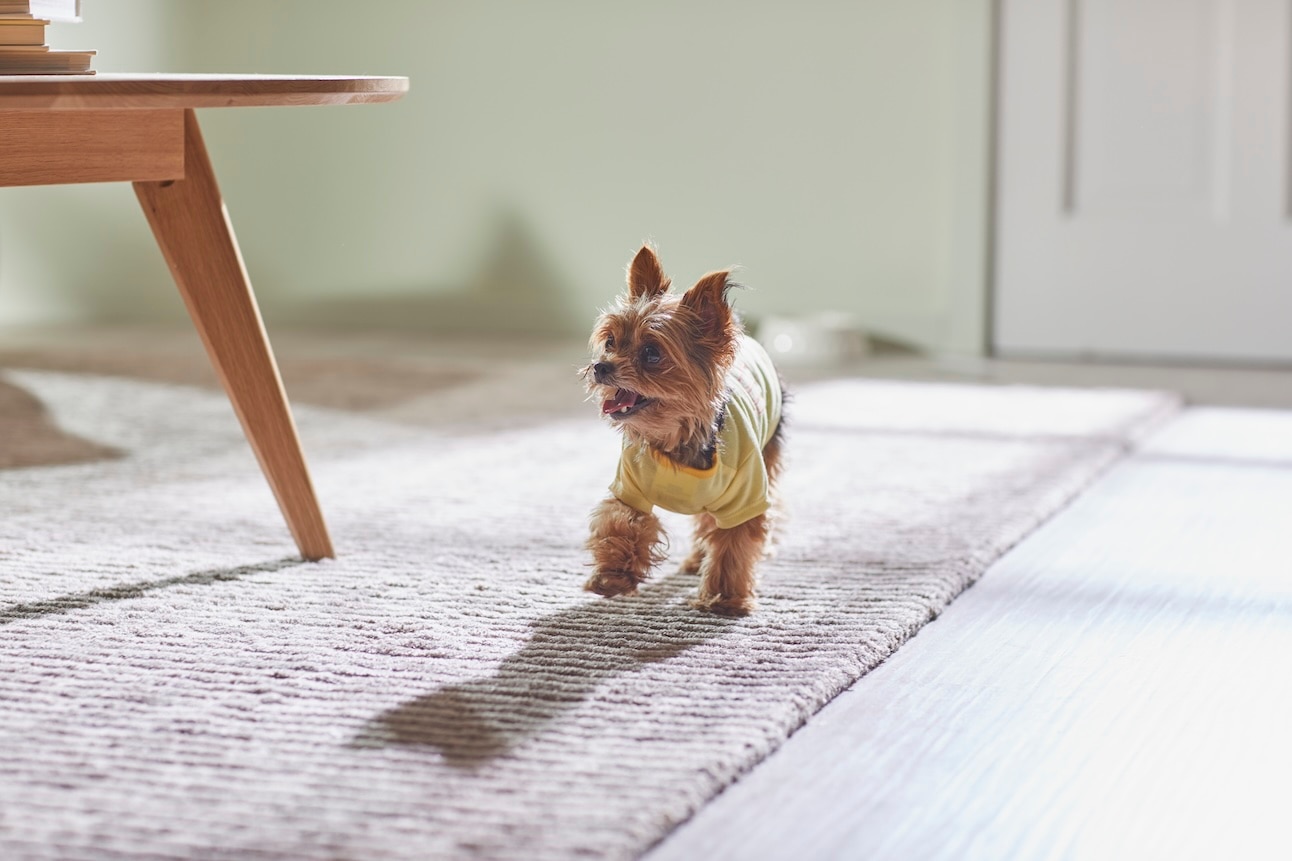
Photo by Chewy
Yorkies and Silkys are very similar breeds. Both need consistent grooming, daily exercise, and special attention to dental care. The main difference is that Silky Terriers often need a bit more exercise than their Yorkie cousins.
Their small size makes both breeds a good fit for apartments or other smaller living quarters, but also comes with risks. Children must be taught how to properly interact with tiny dogs, as they can be accidentally hurt during playtime. Supervision is also needed if your Yorkshire or Silky Terrier will be playing with bigger dogs.
No matter which breed you choose, both the Silky Terrier and the Yorkshire Terrier bring charm, intelligence, and joy to any home—proof that great things really do come in small packages.
Attributions
This article was created with assistance from AI tools. The content has been reviewed for accuracy and edited by a veterinarian.