Types of Corgis: Pembroke Welsh Corgi vs. Cardigan Welsh Corgi



Photo by Chewy
We’ll let you in on a secret … there are actually two types of Corgis: Pembroke Welsh Corgis and Cardigan Welsh Corgis.
While both pups have a similar look—an adorable mix of short legs, long body, and big ears—and share a friendly personality, there are distinct differences between the two. Here’s what to know about Pembroke Welsh Corgis versus Cardigan Welsh Corgis.
Key Takeaways
- The Pembroke Welsh Corgi and Cardigan Welsh Corgi were once considered the same breed.
- Pembrokes typically have a short tail, while Cardigans have a long, full tail—a key visual difference.
- Both breeds are smart and affectionate, but Pembrokes are generally more outgoing, while Cardigans tend to be more reserved.
- Regular exercise and mental stimulation are essential for both breeds to prevent boredom.
- Both breeds are prone to back issues due to their long bodies, so maintaining a healthy weight and avoiding excessive jumping are important.
History
Pembrokes and Cardigans were once considered the same breed: simply, “Corgi.” It wasn’t until 1934 that the two were officially split, according to the Pembroke Welsh Corgi Club of America.
The intertwined origins of the Corgis are a little hazy, but both dogs were developed over thousands of years. The Welsh Corgi League traces their history back to 920 CE as herding dogs in Wales. They’re thought to be descendants of Teckel dogs (ancestors of the modern Dachshund).
The lines diverged during the Viking invasion of Great Britain. The Vikings’ spitz-type dogs crossed with these Teckels, ultimately creating the Pembroke Welsh Corgi. The modern Cardigan Welsh Corgi is believed to be closer to the original Teckel.
Appearance
At first glance, Pembrokes and Cardigans look quite similar, but there are key features that set them apart.
Tail
The easiest way to tell them apart is by the tail. Cardigan Corgis have a long, full, brush-like tail. Pembrokes typically have a short tail, which is either naturally bobbed or docked to be short.
However, tail docking is a controversial practice that many organizations, including the American Veterinary Medical Association, oppose. So, you might sometimes see Pembrokes with their natural tail left intact.
Ears
The dogs’ ears are another giveaway. Cardigan Welsh Corgis have large, rounded ears, while Pembrokes have slightly smaller, more pointed ears.
Body and Build
Both types of Corgi dogs are short, standing just about 10–12 inches tall. But Cardigans are slightly larger, sturdier dogs with a longer body and heavier bone structure. They usually weigh 25–38 pounds.
Pembrokes are more compact and a bit lighter on their feet, weighing 28–30 pounds.
Colors
Pembroke Welsh Corgis come in four colorways: fawn, red, sable, or black and tan. Cardigans can also have red and sable fur, but they can also be brindle, blue merle, or black and white.
White markings are possible for both breeds, but Cardigans often have additional features, such as ticking, a black mask, and tan points.
Personality
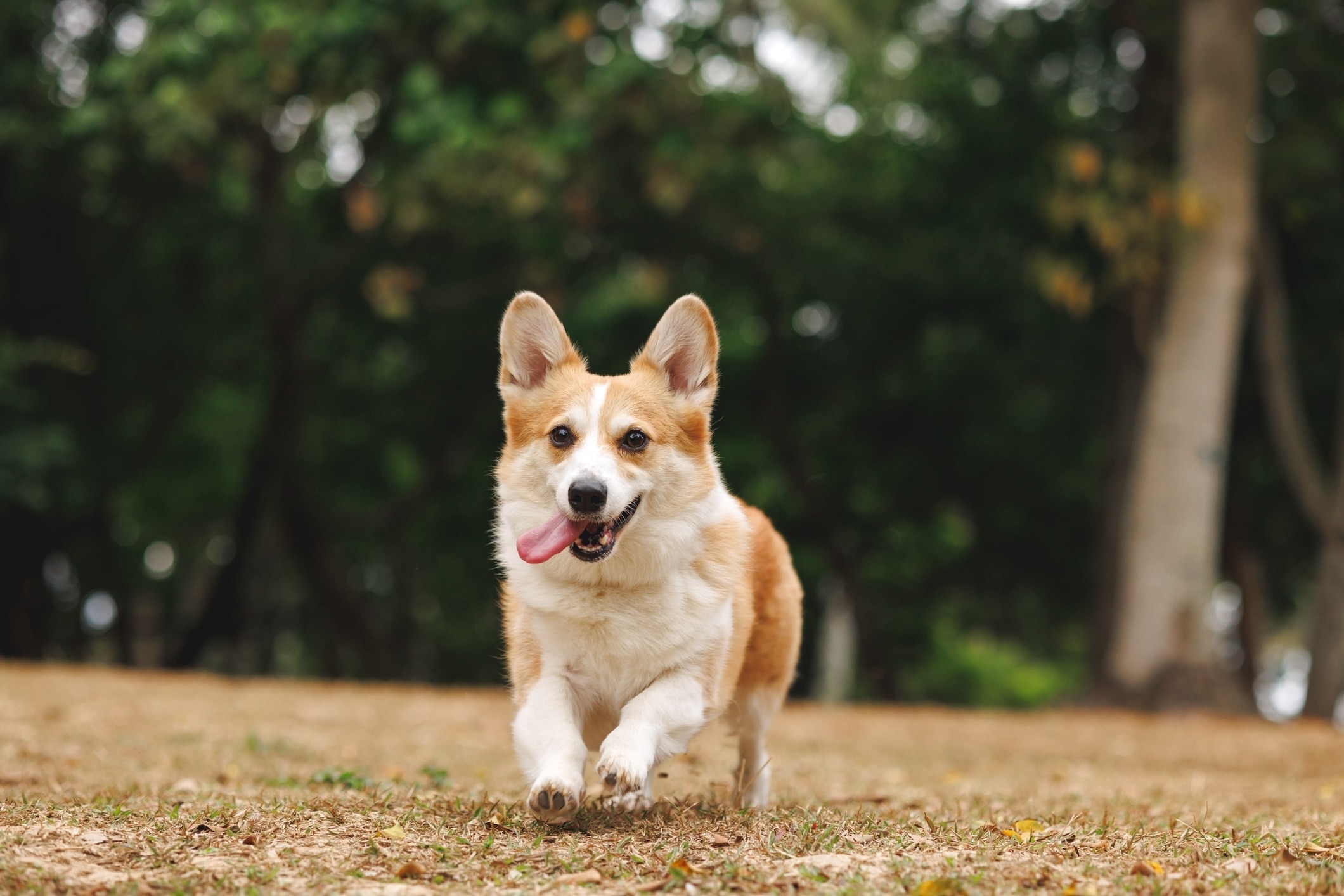
Photo by Peggy Cheung/E+ via Getty Images
Both Corgi breeds are smart, affectionate, and eager to please, making them wonderful family dogs. However, their temperaments can differ slightly.
- Pembroke Welsh Corgis tend to be more outgoing and social, making them one of the friendliest dog breeds. They’re cheerful, quick learners who love being the center of attention.
- Cardigan Welsh Corgis are just as loyal but may be a little more reserved with strangers. They’re thoughtful workers with a steady, dependable personality.
Both breeds are known for their strong herding instincts. You may notice them gently “herding” children or other pets around the house. (But don’t worry—these smart dogs can easily learn that kids are not something to herd, as long as you invest in positive reinforcement training).
Exercise Needs
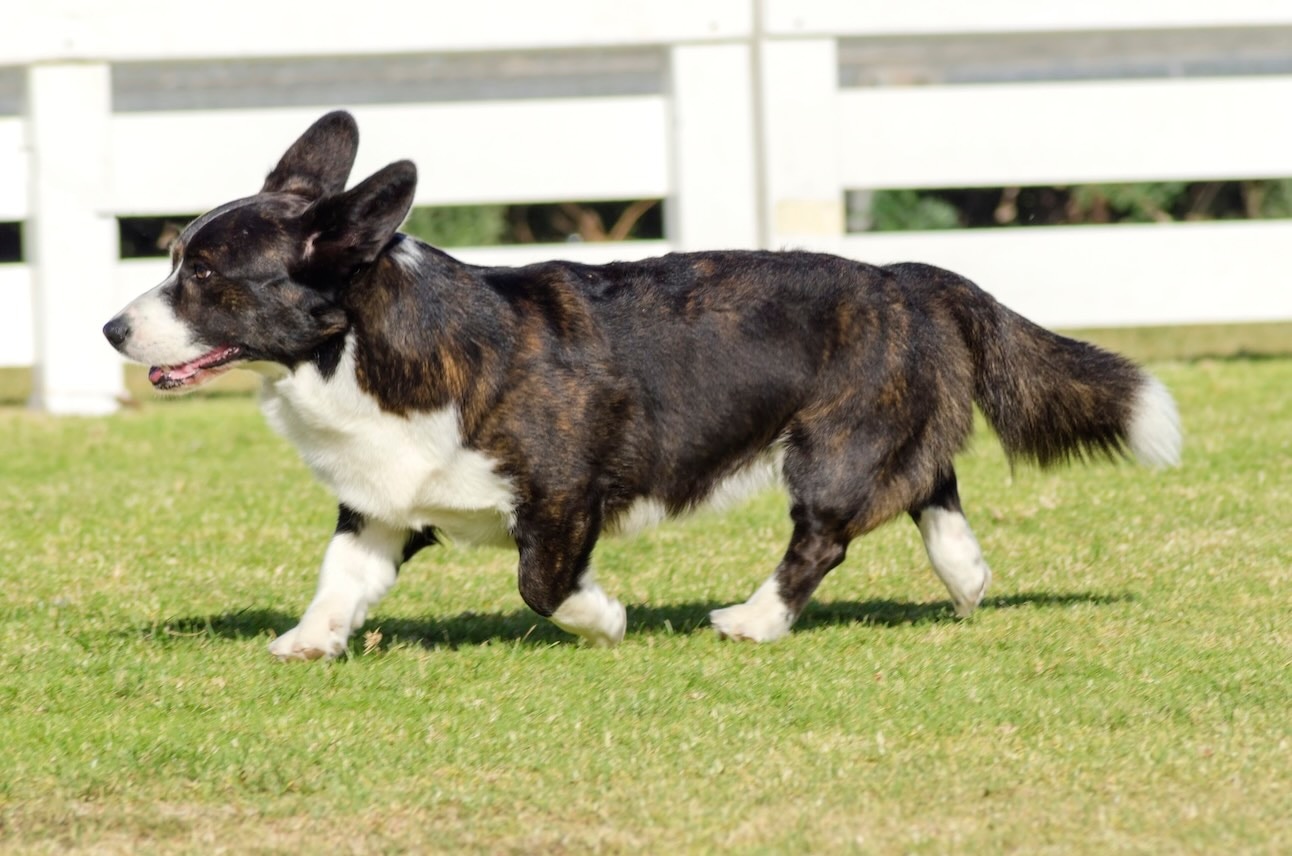
Photo by f8grapher/iStock / Getty Images Plus via Getty Images
Don’t let those little legs fool you—Pembrokes and Cardigans are both active, high-energy dogs who need daily exercise to thrive. They were bred to work all day, so regular walks, playtime, and mental stimulation are essential.
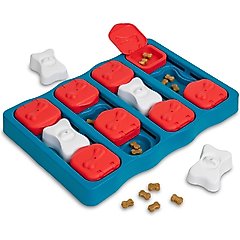
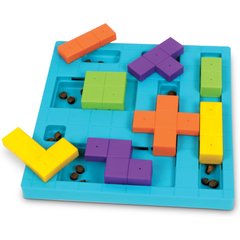
Some go-to activities for Corgis include agility training, interactive games, scent walks, and herding games like Treibball. At home, puzzle toys are a great way to exercise your Corgi’s big brain.
Recommended Products

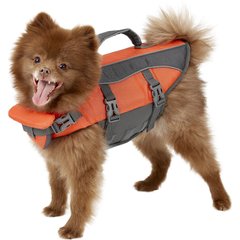
Though energetic, the breeds’ stubby legs can sometimes set them back—Corgis aren’t natural swimmers, for example. If your pup seems interested in water, make sure they’re outfitted in a doggy life jacket for safety.
Recommended Products

Without enough activity, both breeds can become bored—and a bored Corgi is likely to find their own entertainment, often in the form of chewing or excessive barking.
Grooming
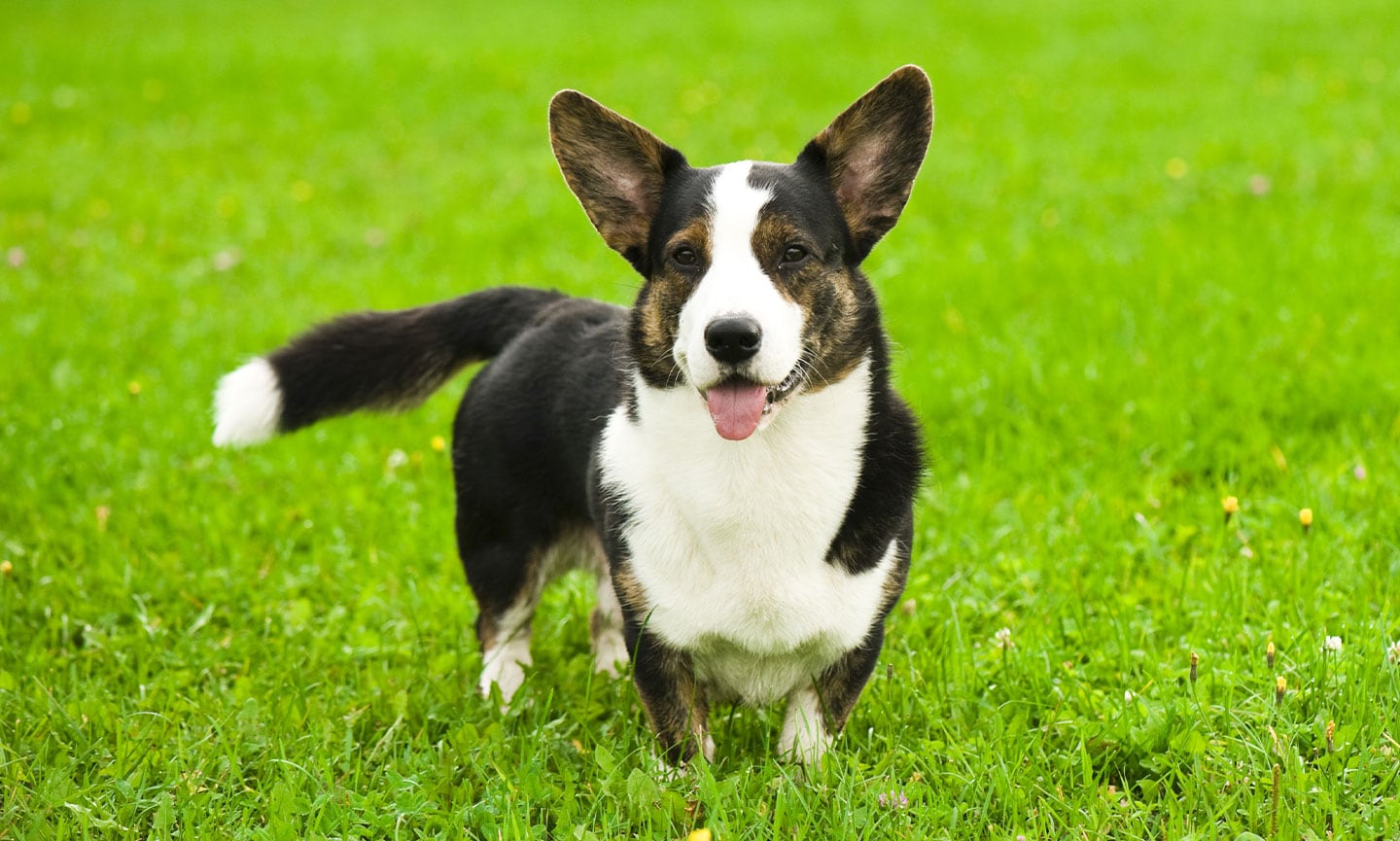
Photo by Shutterstock/Kachalkina Veronika
Both breeds have a double coat that sheds year-round, with heavier shedding seasons in the spring and fall. While Cardigan Corgis might shed slightly less than the typical Pembroke Corgi, neither pup is a good fit if you’re going to stress about dog fur on your furniture.
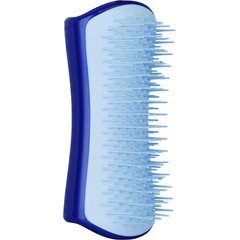
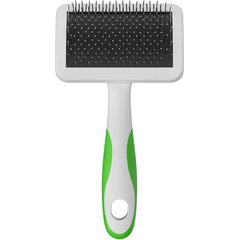
Pet parents should brush their dog two to three times a week to help control shedding and keep their Corgi’s coat healthy. During heavy shedding seasons, daily brushing may be needed.
Recommended Products
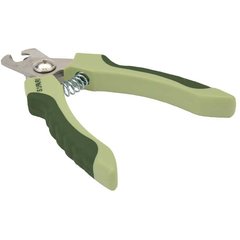
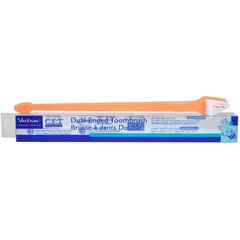
Occasional baths, regular nail trims, and daily toothbrushing round out their grooming needs.
Recommended Products


Health
Both Corgi breeds are generally healthy. The average Pembroke lifespan is 12–13 years, while Cardigans might live 12–15 years.
Because their builds are similar, the two breeds share many of the same health concerns, including:
- Intervertebral disc disease (IVDD): This spinal condition is common in dogs with a long back and short legs (including Dachshunds and Corgis). Symptoms of IVDD in dogs range from back pain to paralysis, caused by a herniated disc and compression of the spinal cord. Treatment varies from strict rest to spinal surgery, depending on severity
- Degenerative myelopathy: Another condition relating to the spinal cord, degenerative myelopathy in dogs is a progressive disease that causes loss of feeling in the hind limbs. Over time, this causes muscle wasting, incontinence, and eventually paralysis. There is no cure.
- Hip and elbow dysplasia: Hip dysplasia is when a dog’s hip joints don’t fit together properly. Elbow dysplasia is similar, but relating to the elbow joint. Both conditions will lead to pain and arthritis if not treated, and treatment depends on the severity—ranging from joint supplements and weight management to surgery.
- Eye problems: Corgis can develop a few eye conditions, including cataracts and progressive retinal atrophy. Talk to your vet if you notice any changes in your dog’s eyes or vision.
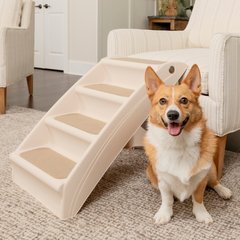
Maintaining a healthy weight and avoiding activities that strain the back—like frequent jumping off furniture—are important preventive measures for both types of Corgis. Offer your pup stairs and ramps to reduce jumping, and ask your vet whether joint supplements can help.
Recommended Products

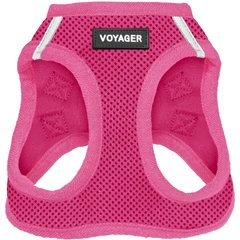
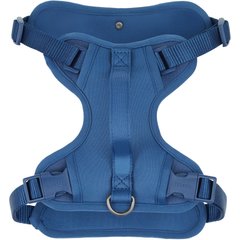
When exercising, fit your Corgi with a harness instead of clipping their leash to their collar. This is better for their back, too.
Recommended Products
Pembroke Welsh Corgi vs. Cardigan Welsh Corgi: Which Is the Breed for You?

Photo by Chewy
Both types of Corgis make wonderful companions.
But if you’re looking for a cheerful, outgoing dog who loves meeting new people, the Pembroke Welsh Corgi might be the better fit. They thrive in active households and enjoy being involved in everything their pet parents do.
If you prefer a slightly calmer, more thoughtful partner with a loyal, steady disposition, the Cardigan Welsh Corgi could be your perfect match. They’re just as playful and affectionate but may appreciate a bit more downtime.
No matter which breed you choose, both Corgi types bring big personalities—and even bigger hearts—in a small, sturdy package.
Attributions
This article was created with assistance from AI tools. The content has been reviewed for accuracy and edited by a veterinarian.