How To Puppy-Proof Your House: 30 Safety Tips


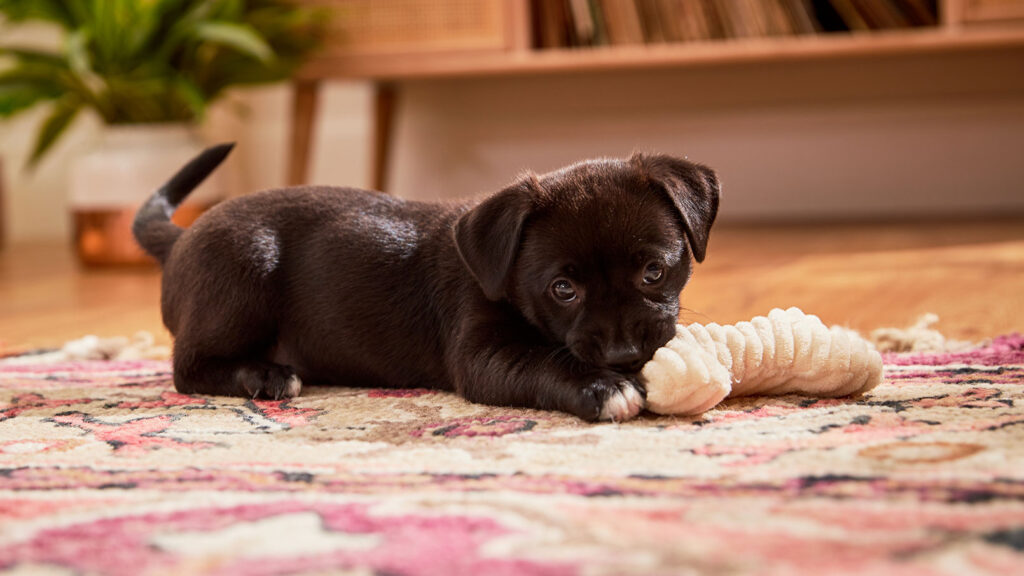
Photo by Chewy
Bringing home a new puppy is exciting—but just like babies, puppies are curious and prone to mischief. That’s why learning how to puppy-proof your house is an essential first step in keeping your new furry family member safe.
From securing cabinets to blocking off staircases, there are plenty of ways to prevent accidents and give your pup a safe environment to explore.
Key Takeaways
- Puppy-proofing your house protects your puppy from common household dangers.
- Focus on removing choking hazards, locking away chemicals, and blocking off unsafe areas.
- Puppy-proofing includes both indoor and outdoor spaces, like yards and garages.
- Investing in puppy-proofing supplies like gates, crates, and chew toys can make the process easier.
15 Tips To Puppy-Proof Inside Your Home
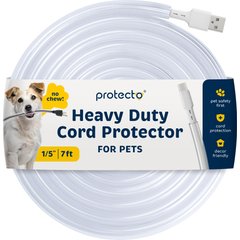
1. Tuck Away Cords and Cables
Use cord covers or cable management boxes to protect your puppy from chewing on electrical wires.
Recommended Product
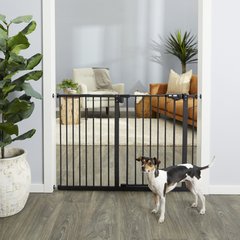
2. Install Dog Gates
Recommended Products

3. Remove Access to Trash Cans
Puppies love to topple trash cans, so take these steps to dog-proof yours:
- Use dog-proof trash cans with locking lids.
- Place them inside cabinets, and lock those cabinets with a childproof lock.
- Empty your trash frequently to keep interesting smells to a minimum.
- Place a weight, such as a brick or sand in a bag, in trash cans to help prevent your puppy from knocking them over.
4. Store Cleaning Products Safely
Cleaning products can be seriously poisonous to puppies. Lock all cleaners and chemicals behind childproof cabinet latches.
5. Secure Heavy Furniture
Anchor shelves, TVs, bookshelves, and other heavy furniture in your home to nearby walls to prevent them from tipping over onto your pup.
6. Remove Small Choking Hazards
Keep small items off your floor and other surfaces your puppy can access. Common household choking hazards include coins, jewelry, and rubber bands.
7. Hide Medications
Never leave pills on counters or in purses within your puppy’s reach.
8. Cover Electrical Outlets
Childproof outlet plugs can prevent curious noses from getting shocked.
9. Tie Up Dangling Cords
If your puppy gets caught in hanging blinds or curtain cords, they could be injured or strangled. Tie them up and out of your puppy’s reach.
10. Check Furniture for Gaps
Block small spaces where your puppy could get stuck.
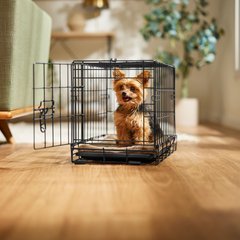
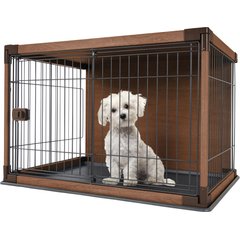
11. Crate-train Responsibly
A secure dog crate can keep your puppy safe when unsupervised. Start crate-training as early as possible to help your pup get used to spending time in their crate.
Recommended Products
12. Use Nonslip Rugs
Help prevent slips and falls on slick flooring by covering your floor with a safe rug.
13. Supervise Playtime
Whenever your puppy is playing with a toy, keep an eye on them to make sure they’re not tearing off pieces of the toy, which could be choking hazards, or chewing or eating unsafe household items.
14. Store Food Out of Reach
Many human foods are toxic to dogs, so keep them on upper shelves or in locked pantries.
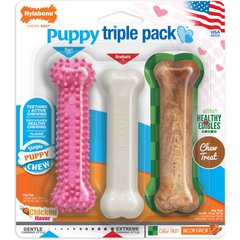
15. Provide Safe Toys
Offer vet-approved puppy toys to satisfy your dog’s natural chewing urges.
Recommended Products

15 Tips To Puppy-Proof Outside Your Home
1. Fence Your Yard
Prevent your pup from making a break for it by ensuring your fencing is tall enough and without gaps.
2. Check for Toxic Plants
Remove or block access to plants that are poisonous to puppies, like lilies, azaleas, and sago palm.
3. Safely Store Your Gardening Tools
Keep sharp tools and toxic supplies in a locked area that’s fully off-limits to your puppy, like a shed.
4. Block Access to Your Pool
Not all dogs can swim, and dogs who do should always be supervised when they’re in the water. Use a pool fence, dog gate, or other solution to prevent your dog from jumping or falling into your pool or hot tub.
5. Clean Up Debris
Pick up potential choking hazards and potentially harmful items like sticks, rocks, and acorns around your yard.
6. Check for Escape Routes
Puppies can wiggle through small spaces. Check the perimeter of your yard for gaps under shrubbery and other areas where they might explore.
7. Remove Wild Mushrooms
Mushrooms growing on your lawn can be toxic if ingested. Stay vigilant for any fungi growing in your yard, and pull up any mushrooms you see.
8. Don’t Use Pesticides or Fertilizers
Many treatments for your lawn or garden can be toxic to dogs. If you need to use a lawn treatment, choose a pet-safe option.
9. Empty Standing Water
Puddles, bird baths, fountains, and empty garden containers can collect water that harbors bacteria. Remove outdoor containers where water can collect, and watch your puppy to ensure they stay away from puddles.
10. Block Access to Garage Hazards
Antifreeze, motor oil, and tools should be stored out of reach of your puppy—or better yet, block your puppy’s garage access entirely with a pet gate.
11. Provide Shade
Warm weather can cause overheating and dehydration in puppies. Make sure your puppy has a cool, shaded area on warm days, and limit outdoor time during especially hot weather.
12. Cover Outdoor Power Cords
Just like the electrical cords inside your home, outdoor power cords pose risks to your pup. Tuck away cords to prevent chewing.
13. Keep Gates Locked
Some gates have latches that dogs can easily open. Make sure yours can’t be opened by your curious puppy.
14. Always Supervise Your Puppy Outdoors
Never let your puppy go outside unattended, even in a fenced area you think is safe. Supervise outdoor play to avoid accidents, escapes, or attacks from predators like birds of prey.
15. Secure Compost and Trash Bins
Ingesting or playing in trash or compost can make puppies sick. Use pet-proof lids or fencing to keep them away from your outdoor trash cans and compost areas.
FAQs About How To Puppy-Proof Your House
How do I puppy-proof electrical wires and cords?
Tuck cords behind furniture or use protective cord covers to prevent chewing. Consider deterrent sprays for extra protection.
How do I puppy-proof my apartment?
Pet-proofing an apartment means creating a safe, comfortable space despite limited room and shared walls. Secure loose wires; block access to balconies and windows; and use dog gates or crates to manage open layouts. Because noise and neighbor proximity are also concerns, consistent training and quiet enrichment toys can help your pet adjust smoothly.
Attributions
This article was created with assistance from AI tools. The content has been reviewed for accuracy and edited by a human.