How Often Should I Take My Dog to the Vet?


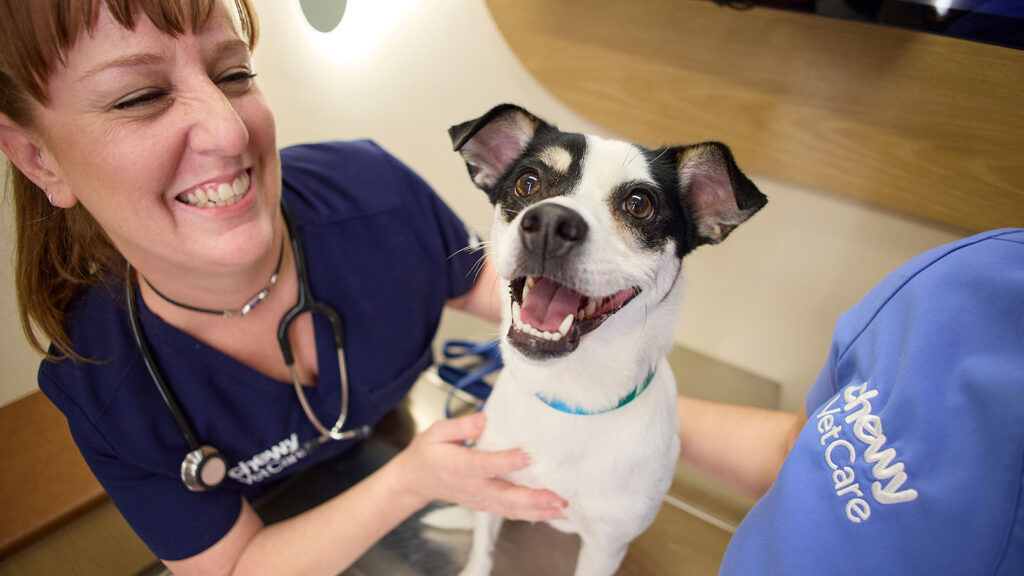
Photo by Chewy
Routine vet visits are one of the most important ways you can protect your dog’s health and well-being. But how often should those visits happen? The answer depends on your dog’s age, lifestyle, and health history.
Whether you’re raising a new puppy or caring for a senior dog, knowing when to see the vet—and what to expect—helps you stay ahead of health issues and build a stronger bond with your pup.
Here’s a breakdown of how often you should take your dog to the vet at each stage of life, plus tips for spotting emergencies and making the most of each visit.
Key Takeaways
- Puppies need vet visits every three to four weeks until 16 weeks old for vaccinations and checkups.
- Healthy adult dogs should see the vet annually for wellness exams and vaccine boosters.
- Senior dogs typically benefit from biannual visits to catch age-related issues early.
- Emergencies like difficulty breathing or seizures require immediate veterinary care.
How Often Should I Take My Puppy to the Vet?
Puppies grow fast—and so do their medical needs. Most puppies should see the vet every three to four weeks from about 6 to 16 weeks of age.
These visits are essential for:
- Core vaccinations (like distemper, parvovirus, and rabies)
- Parasite screening and prevention
- Early health checks to monitor growth and development
Your vet may also discuss:
Once your puppy finishes their vaccine series, they typically shift to annual visits unless health concerns arise.
How Often Should I Take My Adult Dog to the Vet?
Healthy adult dogs (ages 1–7, depending on breed size) should visit the vet once a year for a wellness exam. These checkups include:
- A full physical exam
- Vaccine boosters
- Parasite prevention
- Dental checks
- Screening tests for early signs of disease
Dogs with chronic conditions or those taking medications may need more frequent visits. Your vet will create a custom care plan based on your dog’s needs.
How Often Should I Take My Senior Dog to the Vet?
As dogs enter their senior years—typically around age 7 for most breeds, earlier for large or giant breeds—their risk of health issues increases. Vets often recommend twice-a-year checkups to monitor for:
- Arthritis and mobility issues
- Dental disease
- Kidney or liver problems
- Cognitive decline
These visits help detect and manage age-related changes early, improving quality of life. Senior care may also include blood work, urine tests, and weight monitoring.
Emergency Vet Visits
Even with routine care, emergencies can happen. Seek immediate veterinary attention if your dog shows any of these warning signs:
- Difficulty breathing
- Repeated vomiting or diarrhea
- Refusal to eat or drink for more than 24 hours
- Swollen or painful abdomen
- Collapse or inability to stand
- Bleeding that won’t stop
- Seizures
- Sudden behavioral changes or disorientation
Trust your instincts. If something seems wrong, it’s always safer to call your vet.
What Happens at a Vet Visit?
A typical vet visit begins with a nose-to-tail physical exam. Your veterinarian will:
- Check eyes, ears, skin, teeth, and heart rate
- Listen to the lungs and feel for abnormalities
- Ask about your dog’s diet, behavior, and lifestyle
For adult and senior dogs, vets may recommend blood work, urine tests, or X-rays to screen for hidden health problems.
Preventive care like vaccines, flea and tick control, and heartworm prevention are also updated as needed.
Recommended Products


Is It OK To Skip Annual Checkups?
It might be tempting to skip a vet visit if your dog seems healthy—but it’s not a good idea.
Dogs are experts at hiding pain and illness, and many conditions (like kidney disease or dental problems) develop silently over time.
Annual checkups give your vet a chance to spot subtle changes early, and keep your dog up to date on essential vaccines and parasite protection. Skipping visits can lead to delayed diagnoses, more costly treatments, and a lower quality of life for your pup.
From first shots to senior screenings, regular vet visits help your dog live a longer, healthier life. Partner with your vet to stay on top of your dog’s needs at every life stage. Preventive care today means more tail wags tomorrow.
Attributions
This article was created with assistance from AI tools. The content has been reviewed for accuracy and edited by a human.